
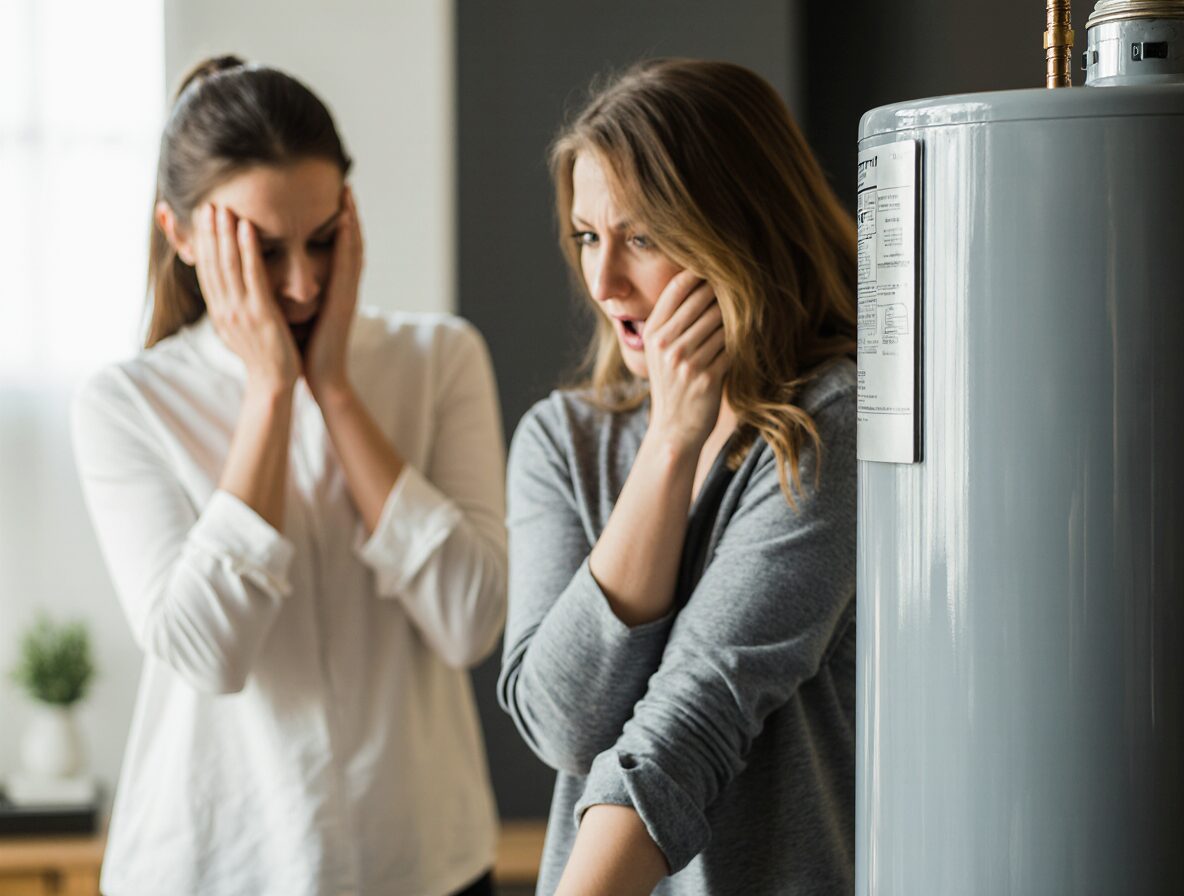
Why Your Water Heater Leaks And How To Fix It
What A Water Heater Leak Looks Like (And Why It Matters)
Early Warning Signs
Look for small puddles around the base, damp insulation on nearby pipes, rust streaks down the tank, or a faint musty odour. You may also hear sizzling or hissing as water hits hot components. Even minor seepage can escalate into structural damage if it wicks into subfloors or wall cavities.
Condensation Versus A Leak In Canadian Climates
In cool Canadian basements, condensation can form on a cold tank in spring and autumn. If moisture dries within a few hours after the Water Heater stops running, it is likely condensation. Persistent wetness, staining, or a steady drip points to an actual leak that needs attention.
Safety First, Power And Water
Before inspecting, switch off electrical power at the breaker for electric units, or set the gas control to pilot for gas models. Close the cold water shut off valve on top of the tank to stop incoming flow. These steps reduce shock, scald, and flooding risks while you troubleshoot.
Water Damage Risks To Floors And Neighbouring Rooms
Water can migrate under finished flooring, into baseboards, and through penetrations between rooms. It often damages subfloors, encourages mould, and can weaken drywall. A timely response limits repair costs and helps prevent longer term odour problems.
Common Causes Of A Water Heater Leak
Loose Or Corroded Fittings
Vibration, thermal expansion, and age can loosen the cold water inlet and hot water outlet on top of the tank. Corroded threads or deteriorated dielectric unions will also seep.
Temperature And Pressure Relief Valve Issues
The Temperature And Pressure Relief Valve is a vital safety device, it typically opens at about 99 °C or 150 psi to relieve unsafe conditions. If debris gets under the seat, or if the discharge pipe is restricted or incorrectly routed, you may see intermittent dripping. Never plug or cap this line.
Drain Valve Seepage
Plastic or metal drain valves near the bottom of the tank can weep due to worn washers or mineral scale. A threaded cap may stop a slow drip as a short term measure, although replacement is the better long term fix.
Sediment Build Up And Overheating
Mineral sediment insulates the bottom of the tank, which forces longer heat cycles. Overheating and popping noises are common, and pressure swings can nudge weak points into leaking. An annual flush helps prevent this and supports efficiency.
Anode Rod Depletion And Corrosion
The sacrificial anode rod protects the tank by corroding first. Once it is consumed, corrosion targets the tank walls and fittings, which raises the chance of leaks and rusty water.
Tank Seam Rust Through
If you see rust bleeding through the jacket, or the tank body itself is wet, the glass lined steel tank may have failed internally. No sealant or patch will make a pressure vessel safe again, replacement is the only remedy.
Expansion Tank Or High Pressure Problems
Closed plumbing systems need an expansion tank to absorb pressure spikes. Where static pressure is excessive, commonly above 80 psi, a pressure reducing valve protects the Water Heater, fixtures, and hoses.
Step By Step, How To Fix A Leaking Water Heater Safely
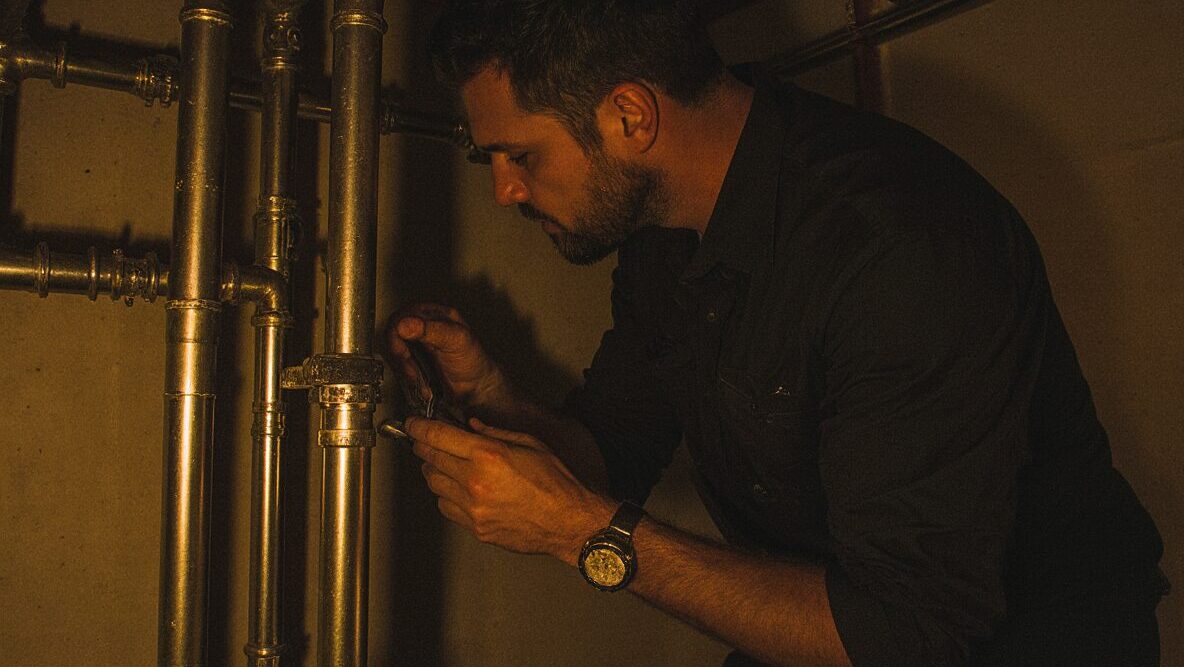
Isolate And Inspect
With power off and the cold water supply closed, dry the area. Inspect the top fittings, the Temperature And Pressure Relief Valve and its discharge line, the drain valve, and the tank body. A dry paper towel helps trace the source.
Tighten Or Replace Fittings
Snug, do not overtighten. If threads are damaged or corroded, replace the nipple or union and use the correct sealant, pipe dope rated for potable hot water or high quality thread tape. Replace any failing dielectric unions to limit galvanic corrosion.
Test, Flush, Or Replace The Temperature And Pressure Relief Valve
Lift the test lever briefly to flush debris, then release it. If it continues to drip or will not seat, replace it with a model rated for your tank and local code. Ensure the discharge pipe terminates to a safe, visible location and is never capped. Standard relief settings are about 99 °C and 150 psi.
Flush Sediment
Attach a garden hose to the drain valve and run it to a floor drain or outdoors. Open the valve and let water run until clear, then close, refill the tank by opening the cold water valve, and purge air at a nearby hot tap before restoring power. Many manufacturers recommend an annual flush to maintain efficiency and reduce noise.
Fix Or Replace A Dripping Drain Valve
If the drain valve seeps after flushing, a cap rated for hot water use may hold temporarily. The better fix is installing a new valve, many homeowners choose a brass full port ball valve retrofit for durability.
Replace A Worn Anode Rod
Check the anode every one to three years, more often with hard water. Replace it when heavily pitted or reduced to a thin wire. A fresh anode can significantly extend tank life.
Know When Replacement Is The Only Option
Typical lifespans for tank type units in Canada are about eight to twelve years, depending on water quality and maintenance. If your tank is within or beyond that range and leaking from the body, replacement is the safe, cost effective path.
Prevention, Maintenance And When To Call A Professional
Annual Maintenance Checklist
Once a year, flush the tank, test the Temperature And Pressure Relief Valve, and inspect or replace the anode rod as needed. This routine controls sediment, maintains efficiency, and limits leak risks.
Add A Drain Pan, Leak Detector, And Automatic Shut Off
A properly piped drain pan under the tank helps contain small leaks. Smart leak detectors with automatic shut off valves can prevent a minor drip from becoming a saturated basement, which is especially helpful in finished spaces.
Set Safe And Efficient Temperatures For Canadian Homes
A common best practice is to store water at 60 °C at the Water Heater to limit harmful bacteria, then use mixing valves so water is delivered at about 49 °C to reduce scald risk. This arrangement balances hygiene and safety for families.
Mind Water Quality And Pressure
Hard water accelerates scale build up, consider softening or filtration. If your static pressure trends high, near or above 80 psi, ask a plumber about installing or adjusting a pressure reducing valve that meets Canadian standards.
Understand Service Life And Warranties
Tank warranties often run six to twelve years. Keep proof of maintenance, neglect can void coverage. If your tank is nearing the end of its warranty and showing multiple symptoms, rust, noise, or frequent drips, replacement planning avoids emergency failures.
When To Call A Professional Versus Do It Yourself
A water heater leak might seem small at first—just a little puddle under the tank—but it can escalate into a costly home repair nightmare if not addressed quickly.
You should call a professional water damage company immediately if:
1. Water Has Spread Beyond the Water Heater Area
If water has soaked into nearby flooring, seeped under baseboards, or traveled into adjacent rooms, you’re already dealing with a situation that can promote mould growth and structural damage. Professionals have drying equipment and moisture meters to detect hidden dampness you can’t see.
2. You Notice Signs of Mould or Musty Odours
Mould can begin forming in as little as 24–48 hours. If you smell a musty odour, see dark spots, or feel dampness underfoot, it’s time to bring in a remediation team—before spores spread throughout your HVAC system.
3. The Leak Has Been Ongoing or Unnoticed for Hours/Days
If you’ve just discovered the leak but it’s clear it’s been dripping for a while (rusty water stains, warped flooring, or peeling paint), the damage is likely more extensive than it appears. Professionals can open walls or flooring as needed to prevent long-term rot.
4. Your Home Has Porous Building Materials Nearby
Carpet, insulation, drywall, and wood are like sponges. Even a small leak can cause irreversible damage to these materials if not dried properly. A professional water damage company uses industrial-grade dehumidifiers and air movers to restore these materials safely—or replace them when needed.
5. You Want to Protect Your Insurance Claim
Water damage restoration companies provide detailed documentation and moisture readings that can strengthen your claim with homeowners insurance. This can make the difference between getting full coverage for repairs or footing the bill yourself.
If the leak is confined to a pan and you caught it instantly, you might just need a plumber. But if there’s any doubt about hidden damage, mould risk, or water migration, calling a water damage restoration company within the first 24 hours can save you thousands and prevent health hazards.
Conclusion
A small drip can signal a big problem. Confirm whether moisture is condensation or a true leak, isolate power and water for safety, and work through the basics, fittings, the Temperature And Pressure Relief Valve, the drain valve, and sediment build up.
Follow a simple yearly routine of flushing, testing, and anode checks, manage water pressure, and use mixing valves to deliver safer water temperatures. When the tank body leaks, or when gas or electrical hazards are present, replacement and professional help are the safest path.
With a plan, you will prevent damage, protect your investment, and keep hot water reliable through Canadian winters.
If you have any questions about our article, “Why Your Water Heater Leaks And How To Fix It” or need water damage restoration services contact us 1-833-WE-DRY-IT or connect with us on social media.
FAQs
1. Why Is Water Dripping From The Discharge Pipe On The Side Of My Tank
That pipe is connected to the Temperature And Pressure Relief Valve. Occasional drips during heating can signal high pressure or temperature, continuous flow often means the valve is faulty or debris is trapped. Never cap the pipe, replace or service the valve and correct the cause.
2. How Can I Tell If It Is Condensation Or A Real Leak
Dry the tank and surrounding floor, then observe after a full heating cycle. Condensation typically dries within hours and appears as a uniform sweat. A real leak leaves persistent wet spots, rust trails, or a steady drip from a fitting or the body.
3. What Temperature Should I Set For Safety And Hygiene
Store at about 60 °C at the Water Heater to deter bacteria, and deliver 49 °C at taps using mixing valves to reduce scald risk. This is especially important for children and older adults.
4. Is It Safe To Tighten Leaking Fittings While The Water Heater Is On
Switch off power or set gas to pilot, and close the cold water supply before tightening. This prevents electrical shock, scalds, and further damage.
5. How Often Should I Flush My Tank
An annual flush is a common recommendation to remove sediment, reduce noise, and improve efficiency. In hard water areas, more frequent flushing may help.
6. Will A New Anode Rod Stop An Existing Leak
No, an anode rod helps prevent future corrosion but it will not seal an already perforated tank. If the tank body leaks, replacement is necessary.
7. Do I Need A Pressure Reducing Valve
If your static pressure is high, commonly above 80 psi, a pressure reducing valve helps control stress on the tank and plumbing. Have a plumber test pressure and recommend a compliant solution.
8. Why Does My Temperature And Pressure Relief Valve Keep Opening
Excess temperature, high pressure, a failed expansion tank, or a faulty valve can cause repeated discharge. A plumber will verify pressure, replace the valve if needed, and address system issues.
9. How Long Do Tank Water Heaters Typically Last In Canada
Around eight to twelve years is common for tank type units, depending on maintenance and water quality. Tankless units can last longer with proper care.
10. What Can I Do To Limit Water Damage If A Leak Starts Suddenly
Know where the cold water shut off is, keep a drain pan under the tank, and consider a smart leak detector with automatic shut off. Quick action reduces damage in finished basements.
Related Posts
Water Damage Restoration Articles
What you can expect from a fire damage restoration company
Water damage prevention tips from the most common problems we’ve seen
Top causes of water damage in commercial buildings and how to find them
Must-know water damage tips: What to do after your house floods
What does good water damage restoration look like?
DIY water damage restoration and the hidden dangers
How to choose the right water damage company
Flast floods: What to do before, during and after a flash flood
What to do when your attic leaks?
Mould Removal Restoration Articles
5 Signs You Have Mould Growing In Your Walls
“Can I Remove Mould Myself?” Our Mould Removal Experts Have Answers
7 Must-Know Reasons Why You Should Get A Mould Inspection Before Buying A House
Does Mould Attract Bugs? Yes And Here’s What Kind And Why
How To Remove Mould From The Attic [Mould Prevention Tips Inside]
How Rain Causes Mould Growth-Prevention Tips Included
Must-Know Tips: How To Remove Mould In Your Basement
Fire Damage Restoration Articles
How to clean up after a house fire
Fire damage restoration checklist
Fire damage tips: 6 hazards property owners miss
How smoke from fires can negatively affect your health
What are the most common causes of house fires?
10 helpful smoke damage cleaning tips
Related Water Damage Services
Fire damage restoration services
Water damage restoration services
Emergency cleanup services
Mould removal services
Weather damage services