
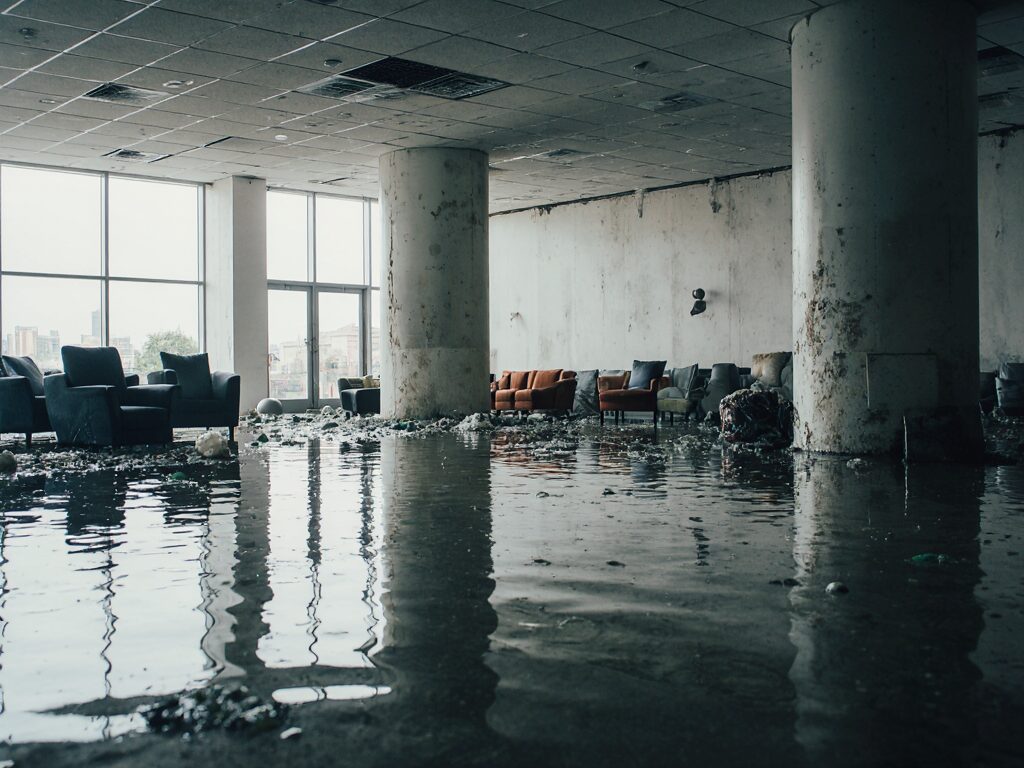
What Should I Do After Burst Pipes? Guide For Homeowners
Few things cause as much stress for a homeowner as a burst pipe. In just minutes, water can spread through floors, walls, and ceilings, leading to thousands of dollars in damage.
Knowing exactly what to do — and acting quickly — can save you money, protect your home, and prevent health hazards like mould.
Let’s get right into it!
Turn Off The Water Supply
The first and most urgent step is to stop the flow of water. Locate your home’s main shut-off valve — usually near the water meter, basement, utility room, or crawl space — and turn it clockwise to close it. If you live in a condo, contact building maintenance immediately to shut off the main line.
Shut Off Electricity If Water Is Near Outlets
Water and electricity are a dangerous mix. If flooding has reached electrical outlets or appliances, turn off the power at the breaker panel. If the breaker panel is wet or inaccessible, do not attempt to touch it — call an electrician or your hydro company for assistance.
Drain Remaining Water From Pipes
Once the water supply is off, open all faucets — both hot and cold — to relieve pressure and drain any remaining water from the system. Flush toilets to empty their tanks and bowls. This reduces the chance of further leakage from trapped water.
Document The Damage For Insurance
Before cleanup begins, take detailed photos and videos of every affected area, including flooring, walls, furniture, and personal belongings. Keep a record of what was damaged — this will make the claims process smoother and ensure you are compensated fairly.
Call A Professional Water Damage Restoration Company
Time is critical. Within 24–48 hours, mould can start to grow, and soaked building materials like drywall may become unsalvageable. A professional restoration company like 911 Water Damage Experts can provide emergency water extraction, drying, dehumidification, and sanitization. Many work directly with your insurance adjuster to simplify the process.
Remove Standing Water Safely
If it is safe to do so, start removing water with a wet/dry vacuum, buckets, or mops. Always wear rubber boots and gloves to protect yourself. Avoid contact with contaminated water, especially if the burst pipe is connected to sewage lines.
Dry Out Affected Areas Quickly
Air circulation is key. Use fans and dehumidifiers to speed up drying, and open windows and doors if the weather is dry and above freezing. Restoration professionals use high-powered air movers and commercial dehumidifiers, which can dry a flooded room much faster than household fans.
Salvage Belongings And Prevent Mould Growth
Move furniture, rugs, and valuables to a dry area. Discard porous materials like wet cardboard, insulation, and paper that cannot be dried quickly. Clean and disinfect hard surfaces to reduce bacteria growth. If mould has already begun to appear, let professionals handle removal to prevent spores from spreading.
Inspect For Structural Damage
Burst pipes can cause significant damage to drywall, subfloors, and ceilings. Watch for signs such as bulging walls, peeling paint, or sagging ceilings — these may indicate water trapped inside materials. If you suspect serious structural damage, call a contractor or restoration specialist right away.
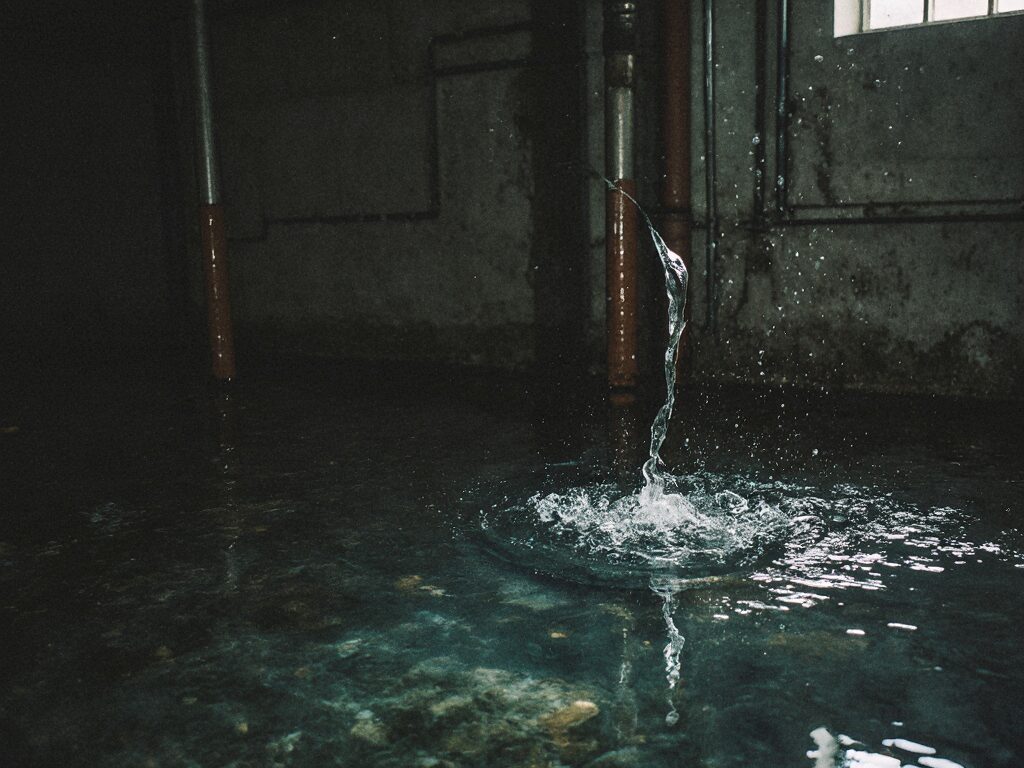
Contact Your Insurance Company
Start the claims process as soon as possible. Provide your documentation, receipts, and photos. Ask whether you need an adjuster to visit before you proceed with cleanup or repairs. Many insurance policies cover water damage from sudden and accidental pipe bursts, but coverage may vary.
Hire A Licensed Plumber To Fix The Broken Pipe
Before turning the water back on, have a plumber locate and repair the burst section. They may recommend replacing old or corroded piping to prevent future failures. If your home has outdated plumbing (like galvanized pipes), consider upgrading to PEX or copper for long-term peace of mind.
Prevent Future Pipe Bursts
Prevention is always cheaper than repair. Insulate exposed pipes in basements, garages, and crawl spaces. Keep your thermostat set to at least 15°C during the winter, even if you are away. Learn where your shut-off valve is and teach family members how to use it.
Conclusion
A burst pipe is a true emergency, but quick action can drastically reduce damage and cost. Shut off the water, document everything, call in the professionals, and dry your home thoroughly. Once the immediate crisis is over, take steps to prevent future pipe bursts so you never have to face the same nightmare twice.
If you have any questions about our article “What Should I Do Immediately After Burst Pipes? Guide For Homeowners” or need flood removal services contact us at 1-833-WE-DRY-IT any time 24/7 all the time, we’re there when you need us!
FAQs
What Is The First Thing I Should Do When A Pipe Bursts?
Turn off the main water supply immediately to stop the flooding, then shut off electricity if water is near outlets.
Can I Fix A Burst Pipe Myself?
Small leaks can sometimes be patched temporarily, but a burst pipe should always be repaired by a licensed plumber for safety and durability.
How Long Does It Take To Dry Out A House After A Burst Pipe?
With professional equipment, most homes take 3–5 days to fully dry, depending on the extent of damage and humidity levels.
Will My Insurance Cover Water Damage From A Burst Pipe?
Most home insurance policies cover sudden and accidental water damage from burst pipes, but coverage may vary for gradual leaks or lack of maintenance.
How Soon Does Mould Start Growing After Water Damage?
Mould can begin forming within 24–48 hours if materials remain wet, making quick drying critical.
How Can I Tell If My Walls Are Wet Inside?
Look for stains, peeling paint, or bulging drywall. Professionals use moisture meters to detect hidden water.
Can Burst Pipes Be Prevented?
Yes, by insulating exposed pipes, maintaining heat in winter, and draining outdoor hoses before freezing weather.
Is Water From A Burst Pipe Dangerous?
If it is clean water (supply line), it is usually safe, but standing water can still harbour bacteria and cause damage. Greywater or sewage backups require special handling.
Should I Call A Restoration Company Or Just A Plumber?
Both — the plumber stops the leak, while the restoration company removes water, dries the home, and prevents mould.
What Should I Save And What Should I Throw Away?
Non-porous items (metal, glass) can usually be cleaned and saved. Paper, cardboard, and soaked insulation should be discarded.