
Top Reasons Why It’s Better To Avoid Your Insurance Company Before Filing For Water Damage Restoration
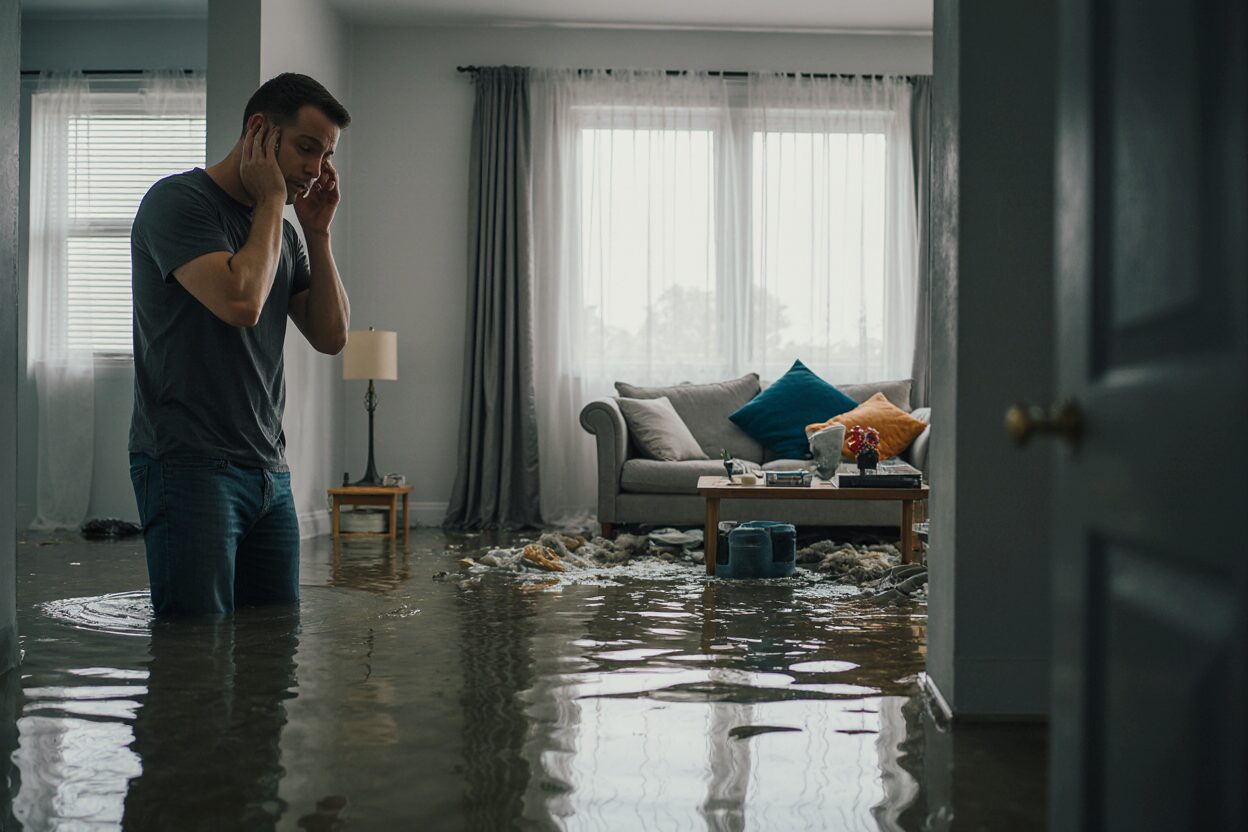
Water damage is one of the most stressful emergencies a homeowner can experience and one of the most expensive.
The Insurance Bureau of Canada reports that water damage now accounts for more than half of all home insurance claims nationwide, costing billions each year. With rising premiums, more exclusions, and increased claim scrutiny, dealing with insurance companies has become more complex than ever.
Most homeowners instinctively call their insurance company first when water damage occurs. It feels logical, but in many cases, it’s actually the worst first move.
What you say, how you describe the damage, and what you don’t know about your policy can dramatically affect whether your claim is approved, reduced, or denied entirely.
This article explains why calling a professional water damage restoration company first gives you a better chance at full coverage, protects your rights as a policyholder and prevents costly mistakes that insurance companies use to minimize payouts.
Let’s get right into it.
Understanding How Water Damage Claims Really Work In Canada
Water damage claims involve more than simply reporting the incident. Insurance companies must determine:
-
The source of the water
-
The category of water (clean, grey, or black)
-
Whether the damage was sudden and accidental
-
Whether the homeowner acted quickly to mitigate damage
-
Whether exclusions apply (seepage, overland flooding, etc.)
The challenge? Most homeowners don’t know how to describe water loss accurately — and early miscommunication with an adjuster can impact the entire claim.
Insurance companies also have a financial incentive to minimize payouts, which affects how adjusters interpret statements made by policyholders. One wrong phrase can trigger exclusions you didn’t even know existed.
Insurance Companies Often Try To Minimise Payouts
Insurance companies are not restoration companies — their role is to protect their bottom line. Adjusters may downplay the severity of damage, classify damage under exclusions, or recommend only partial coverage.
While many adjusters are fair, the system is designed to reduce costs. When a homeowner calls without evidence or professional documentation, the insurer has full control over interpreting the situation.
A professional restoration company, however, approaches the situation objectively, documenting damage in a way that strengthens your claim.
You May Say Something That Hurts Your Claim Without Realizing It
Many claims are weakened or denied because homeowners accidentally use the wrong wording. Simple statements like:
-
“It’s not that bad.”
-
“I think it started a few days ago.”
-
“It might have been leaking for a while.”
These statements can cause the insurer to classify the water loss as:
-
Seepage
-
Long-term damage
-
Neglect
-
Wear and tear
None of these are covered.
Insurance adjusters document everything you say. A restoration company helps you describe the event accurately and factually — not in a way that jeopardizes your claim.
Insurance Companies Sometimes Delay Approval, Worsening Damage
Water damage gets worse by the hour. Health Canada notes that mould can begin growing within 24–48 hours of water exposure, especially in warm or humid environments.
But insurance approval can take:
-
Several hours
-
A full day
-
Multiple days if adjusters want photos before authorizing work
These delays lead to:
-
Increased damage
-
Higher restoration costs
-
Greater risk of mould
-
Structural deterioration
Ironically, insurers may then blame you for “not mitigating damage fast enough,” even though they delayed the process.
When a restoration company is called first, drying begins immediately — protecting your home and your claim.
Preferred Vendor Programs May Not Prioritize Quality
Most insurance companies work with “preferred vendors,” meaning contractors they recommend or assign to your claim. While some preferred vendors are excellent, many homeowners report issues such as:
-
Rushed jobs
-
Minimal equipment usage
-
Incomplete drying
-
No thermal imaging or moisture mapping
-
Excessive demolition
-
Prioritizing insurance cost savings over restoration quality
Preferred vendors work for the insurance company, not for you. Their goal is often to complete the job as cheaply as possible. Independent restoration companies, on the other hand, work for you and have no incentive to cut corners.
Initial Contact Can Trigger Higher Premiums Or Policy Changes
In Canada, even calling your insurer to “ask a question” about water damage may result in a loss incident being recorded on your file — even if you don’t file a claim.
Consequences may include:
-
Increased premiums
-
Higher deductibles
-
Being classified as a higher-risk property
-
Reduced coverage at renewal
Many homeowners are shocked to discover that a denied claim still counts against them.
Speaking with a restoration company first lets you determine whether the issue is even worth filing a claim for — without triggering insurance consequences.
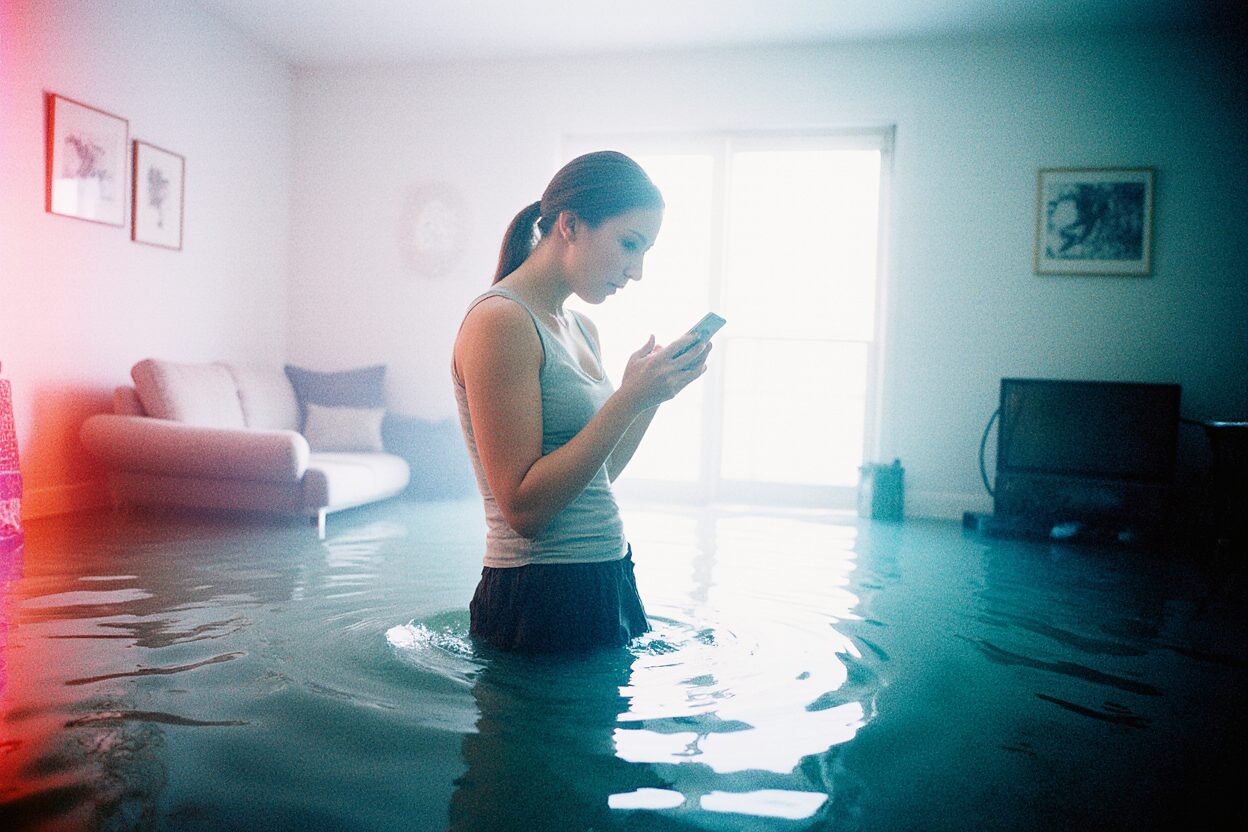
Insurance Might Not Cover The Loss — But They’ve Already Logged It
Most Canadians assume water damage is automatically covered, but many water-related events are excluded unless you purchased optional add-ons.
Common exclusions include:
-
Overland flooding
-
Seepage through foundations
-
Long-term leaks
-
Cracks in basement walls
-
Poor maintenance
-
Failed caulking or grout
-
Surface water
If you call insurance first and the loss is later denied, the inquiry still becomes part of your claims history.
A restoration company can help determine whether the damage is likely covered before you involve insurance.
Insurance Companies Expect Homeowners To Mitigate Damage Immediately
Almost every Canadian home insurance policy includes language requiring the homeowner to take all reasonable steps to prevent further damage.
This includes:
-
Stopping the water source
-
Beginning drying
-
Preventing mould
-
Protecting property
If you call insurance and wait for approval before beginning mitigation, they may deny coverage, citing “failure to mitigate.”
Calling a restoration company first ensures you meet this requirement.
A Restoration Company Provides Documentation To Strengthen Your Claim
Insurance companies love one thing: documentation.
Professional restoration teams provide:
-
Moisture mapping
-
Thermal images
-
Before-and-after photos
-
Logs showing drying progress
-
Scientific readings proving severity
-
Cause-of-loss assessments
This documentation makes it significantly harder for insurers to deny or limit your claim.
You Maintain Control Over The Restoration Process
Calling insurance first usually means:
-
They choose the contractor
-
They control the timeline
-
They decide what gets replaced vs. cleaned
-
They approve or deny materials
When you call a restoration company first, you decide:
-
Who works on your home
-
How aggressively drying is done
-
Whether demolition is necessary
-
How transparent communication will be
Homeowners should always choose their own contractor — not simply accept whoever the insurance company sends.
What To Do Before Contacting Your Insurance Company
Here is the correct order of operations during a water emergency:
-
Stop the water source
-
Take photos and videos
-
Call a qualified water damage restoration company
-
Get an on-site assessment
-
Begin mitigation immediately
-
Gather documentation and cause-of-loss information
-
THEN file a claim with accurate, professional details
This protects both your home and your financial interests.
How Restoration Companies Help You Navigate Insurance Claims
A reputable restoration company:
-
Knows how insurance adjusters think
-
Documents damage the way insurers require
-
Helps you avoid statements that harm your claim
-
Provides evidence that strengthens your claim
-
Helps you understand what is typically covered
-
Advocates for full and proper restoration
Restoration companies don’t replace your insurer — they protect you from making costly mistakes.
Case Examples Of Why Calling Insurance First Backfires
Example 1: The Slow Leak Misclassified
A homeowner describes a leak as “probably happening for a while.” The insurer denies the claim as long-term seepage.
A restoration company would have properly documented it as sudden and accidental.
Example 2: The Basement Flood With No Mitigation
Insurance approval took two days. Mould developed.
Insurer denied secondary damage, citing homeowner “neglect.”
Example 3: Preferred Vendor Over-Demo
Insurer’s vendor unnecessarily tore out drywall that could have been dried.
Homeowner faced weeks of rebuilding and higher deductibles.
Independent assessments prevent these outcomes.
Consequences Of Contacting Insurance Before A Restoration Company
Calling your insurer too soon can lead to:
-
Denied claims
-
Delays that worsen damage
-
Higher premiums
-
Being forced to use a low-quality contractor
-
Incorrect classification of water category
-
Long-term mould and structural problems
Calling restoration first protects your home and your claim.
Conclusion: Protect Yourself By Contacting Restoration First
Insurance plays an important role — but it should not be the first call you make. By contacting a restoration company first, you ensure rapid mitigation, protect your eligibility for coverage, and gain professional guidance before speaking to insurance.
Making the right first call can be the difference between a fully approved claim and a denied one.
If you have any questions about our article “Top Reasons Why It’s Better To Avoid Your Insurance Company Before Filing For Water Damage Restoration” or need water damage restoration services near you contact us at 1-833-WE-DRY-IT any time 24/7 all the time, we’re there when you need us.
Frequently Asked Questions
Will My Insurance Deny The Claim If I Hire A Restoration Company First?
No. In fact, insurers expect homeowners to mitigate damage immediately, and hiring professionals shows proactive action.
Does Calling Insurance For Advice Count As A Claim?
In some cases, yes. Even inquiries can be recorded and influence future premiums.
Why Does My Insurer Push Preferred Vendors?
Preferred vendors often offer discounted rates to insurers and may prioritize saving the insurer money over fully restoring your property.
What Happens If I Tell My Insurer The Wrong Cause Of Damage?
Misstatements can lead to denied claims. A restoration company helps determine accurate cause-of-loss information.
How Quickly Does Mould Form After Water Damage?
Health Canada states mould can begin growing within 24–48 hours, especially in humid or warm areas.
How Does A Restoration Company Help With Documentation?
They provide photos, moisture readings, thermal images, and written reports insurers rely on when assessing claims.
Will My Premiums Go Up After A Water Claim?
Often yes. Many Canadian insurers increase premiums or deductibles following water-related claims.
Can I Choose My Own Contractor, Or Must I Use The Insurer’s?
You always have the legal right to choose your own contractor, regardless of what your insurer suggests.
What Is The First Step During Water Damage?
Stop the water source immediately, then contact a professional restoration company before calling insurance.
When Should I Contact My Insurance Company?
After mitigation has begun and once a restoration company has provided professional documentation and assessment.
Related Posts
Fire Damage Restoration Articles
The Dos And Don’ts Of Commercial Fire Damage
Forest Fire House Damage: What To Do After Your House Is Damaged By A Forest Fire And Who to Call?
Fire prevention tips for the summer
How to clean up after a house fire
Fire damage restoration checklist
Fire damage tips: 6 hazards property owners miss
How smoke from fires can negatively affect your health
What are the most common causes of house fires?
10 helpful smoke damage cleaning tips
Mould Removal Restoration Articles
Is Bathroom Mould Dangerous? Powerful Mould Prevention Tips Inside
Dangers Of Bathroom Mould And Tips On How To Clean And Prevent It
Got Bathroom Mould? Here Are Some Must-Know Bathroom Mould Cleaning Tips
5 Signs You Have Mould Growing In Your Walls
“Can I Remove Mould Myself?” Our Mould Removal Experts Have Answers
7 Must-Know Reasons Why You Should Get A Mould Inspection Before Buying A House
Does Mould Attract Bugs? Yes And Here’s What Kind And Why
How To Remove Mould From The Attic [Mould Prevention Tips Inside]
How Rain Causes Mould Growth-Prevention Tips Included
Must-Know Tips: How To Remove Mould In Your Basement
Water Damage Restoration Articles
How to prevent home storm damage
What you can expect from a fire damage restoration company
Water damage prevention tips from the most common problems we’ve seen
Top causes of water damage in commercial buildings and how to find them
Must-know water damage tips: What to do after your house floods
What does good water damage restoration look like?
DIY water damage restoration and the hidden dangers
How to choose the right water damage company
Flast floods: What to do before, during and after a flash flood
What to do when your attic leaks?
This is why water damage is a silent home killer
Related Water Damage Services
Fire damage restoration services
Water damage restoration services
Emergency cleanup services
Mould removal services
Weather damage services