

The Importance Of Professional Mold Inspection After Water Damage
Water damage can strike at any time—whether from a burst pipe during a Canadian winter, a spring thaw that floods basements, or even unnoticed leaks. While the immediate damage can be stressful, what often goes unseen is the silent spread of mould.
Within 24 to 48 hours of water exposure, mould can begin to grow, threatening both health and property. This is why professional mould inspection after water damage is not just a precaution, but a necessity.
Understanding Mould Growth After Water Damage
Mould thrives in moist environments. When water infiltrates drywall, wood, or insulation, it creates the perfect breeding ground. In Canada, where humidity levels fluctuate widely across provinces, the risk is even higher.
For example, Ontario and British Columbia experience elevated humidity, while Atlantic Canada is prone to coastal flooding. Even small leaks can foster hidden mould colonies behind walls or under carpets.
Health Risks Associated With Mould
Mould exposure is linked to serious health issues. According to Health Canada, common symptoms include coughing, wheezing, eye irritation, and chronic fatigue. Children, seniors, and individuals with asthma are at greater risk of severe reactions.
Long-term exposure has even been associated with increased respiratory infections. Studies show that indoor dampness and mould exposure can increase the risk of asthma development by 30–50% (World Health Organization, 2009).
Structural Damage Caused By Undetected Mould
Beyond health risks, mould can compromise the structural integrity of a building. It feeds on organic materials such as wood and drywall, gradually weakening them. Insulation loses effectiveness when saturated with mould, leading to higher energy costs.
If undetected, mould can result in costly renovations and significantly reduce property value. In fact, Canadian homebuyers are increasingly cautious about mould reports during inspections, often using it as leverage to lower property prices.
Why Professional Mold Inspection Matters
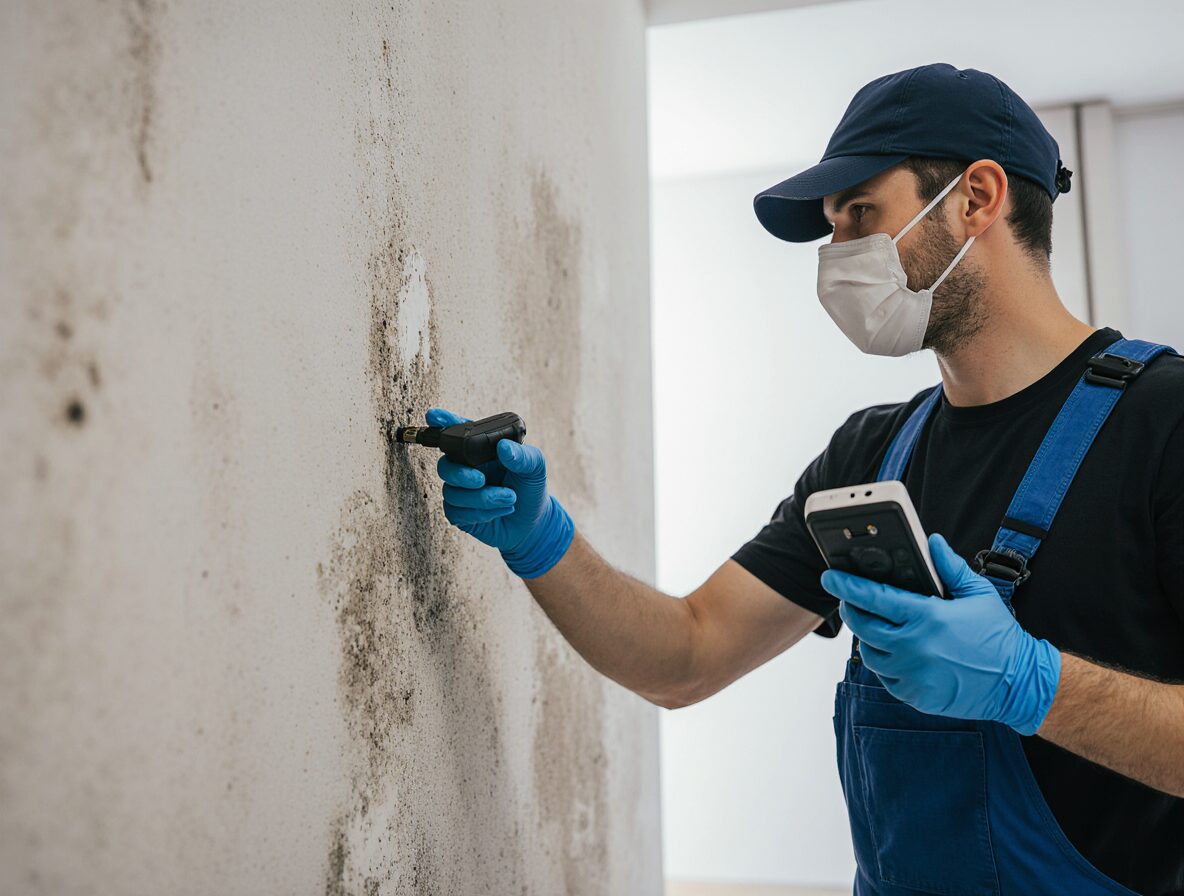
Some homeowners may attempt DIY mould checks, but professionals bring expertise and advanced tools. Inspectors use infrared cameras to detect moisture hidden inside walls, moisture meters to assess dampness, and air sampling to identify mould spores. Unlike DIY kits, professional testing ensures accurate results and comprehensive reporting. Most importantly, certified inspectors understand Canadian building codes and health regulations, ensuring compliance.
The Process Of Professional Mold Inspection
A thorough mould inspection typically follows several steps:
-
Initial Assessment – Inspectors evaluate visible water damage and assess moisture-prone areas.
-
Moisture Mapping – Technology like thermal imaging pinpoints hidden dampness.
-
Air Quality Testing – Indoor air samples reveal the presence and concentration of mould spores.
-
Lab Analysis & Reporting – Samples are sent to accredited labs for analysis, with detailed reports provided.
-
Recommendations For Remediation – Clear steps are outlined for safe and effective mould removal.
Canadian Regulations And Standards
Canada has guidelines for indoor air quality and mould, established by Health Canada and the Canadian Mortgage and Housing Corporation (CMHC). While there is no federal law mandating mould inspections, landlords and property owners are legally obligated to maintain safe living conditions.
Insurance companies may also require professional documentation before covering mould remediation claims, making professional inspections an essential step for financial protection.
Preventing Future Mould Growth
The best way to handle mould is to prevent it. Quick action after water damage is vital—drying and cleaning within 24–48 hours greatly reduces mould risk. Homeowners should:
-
Use dehumidifiers, especially in damp basements
-
Ensure proper ventilation in bathrooms and kitchens
-
Clean gutters and direct water away from foundations
-
Perform seasonal maintenance before heavy snow melts or rainy seasons
Cost Versus Value Of Professional Inspection
The cost of professional mould inspections in Canada typically ranges from $300 to $600, depending on property size and complexity. This may seem like an added expense, but consider that mould remediation can cost anywhere from $2,000 to $10,000 or more, depending on severity.
In the long run, inspections save money, protect health, and preserve property value.
Conclusion
Professional mould inspection after water damage is more than an optional precaution—it is an investment in health, safety, and property protection. By acting quickly and seeking expert help, Canadian homeowners can prevent serious consequences and safeguard their homes for the future.
FAQs
What Are The First Signs Of Mould After Water Damage?
Musty odours, discoloured walls, and allergy-like symptoms are common early indicators.
Can Mould Grow In Winter?
Yes. Indoor heating combined with poor ventilation can create warm, moist conditions where mould thrives.
How Long Does It Take For Mould To Appear After A Flood?
Mould can begin growing within 24 to 48 hours after water exposure.
Is It Safe To Stay In A Home With Mould?
Short-term exposure may cause discomfort, but long-term exposure poses health risks, especially for vulnerable groups.
Does Insurance Cover Mould Inspections In Canada?
Coverage varies. Some policies cover inspections and remediation if mould results from a sudden, insured event like a burst pipe.
Can I Remove Mould Myself?
Small surface mould (less than one square metre) can often be cleaned with proper protection, but larger infestations require professional remediation.
Do Air Purifiers Help With Mould?
Air purifiers with HEPA filters can reduce airborne spores but do not eliminate the mould source.
How Do Professionals Test For Hidden Mould?
They use infrared cameras, moisture meters, and air sampling to detect spores invisible to the naked eye.
Can Mould Affect Property Value?
Yes. Homes with mould issues may face reduced resale value or prolonged time on the market.
How Do I Prevent Mould After Water Damage?
Act quickly—dry the area within 24–48 hours, improve ventilation, and consider professional inspection for peace of mind.
If you have any questions about our article, “The Importance Of Professional Mold Inspection After Water Damage” or need mould removal services contact us 1-833-WE-DRY-IT or connect with us on social media.
Related Posts
Water Damage Restoration Articles
What you can expect from a fire damage restoration company
Water damage prevention tips from the most common problems we’ve seen
Top causes of water damage in commercial buildings and how to find them
Must-know water damage tips: What to do after your house floods
What does good water damage restoration look like?
DIY water damage restoration and the hidden dangers
How to choose the right water damage company
Flast floods: What to do before, during and after a flash flood
What to do when your attic leaks?
Mould Removal Restoration Articles
5 Signs You Have Mould Growing In Your Walls
“Can I Remove Mould Myself?” Our Mould Removal Experts Have Answers
7 Must-Know Reasons Why You Should Get A Mould Inspection Before Buying A House
Does Mould Attract Bugs? Yes And Here’s What Kind And Why
How To Remove Mould From The Attic [Mould Prevention Tips Inside]
How Rain Causes Mould Growth-Prevention Tips Included
Must-Know Tips: How To Remove Mould In Your Basement
Fire Damage Restoration Articles
How to clean up after a house fire
Fire damage restoration checklist
Fire damage tips: 6 hazards property owners miss
How smoke from fires can negatively affect your health
What are the most common causes of house fires?
10 helpful smoke damage cleaning tips
Related Water Damage Services
Fire damage restoration services
Water damage restoration services
Emergency cleanup services
Mould removal services
Weather damage services