Sewer Water Cleanup: Tips For The Best Way To Remove And Clean Sewer Water
Sewer water cleanup is one of the most urgent and hazardous types of property restoration.
Unlike clean water leaks, sewer backups introduce harmful bacteria, viruses, and toxic contaminants directly into your living space. In Canada, sewer water incidents are increasing due to aging infrastructure and more frequent extreme weather events. Acting quickly and correctly is essential to protect both your health and your property.
This guide explains what sewer water is, why it’s dangerous, and the best way to remove and clean sewer water safely and effectively.
Let’s get right into it!
When To Call A Professional Sewer Cleanup Company
Any presence of sewer water warrants professional intervention. If odours persist, mould appears, or materials were soaked for more than a few hours, professional sewer water cleanup is essential.
Commercial properties, multi-unit buildings, and finished basements require immediate expert response due to higher contamination risks.
What Is Sewer Water And Why It’s Classified As Category 3
Sewer water is classified as Category 3 water, often referred to as black water. This is the most dangerous classification of water damage. It contains raw sewage, human waste, harmful bacteria, viruses, and potentially toxic chemicals.
According to industry standards, Category 3 water can include pathogens such as E. coli, Salmonella, Hepatitis A, and parasites that pose serious health risks. Once materials like drywall, insulation, carpeting, or furniture are contaminated, they often cannot be safely cleaned and must be removed.
Common Causes Of Sewer Water Backups In Canadian Homes
Sewer backups can occur for several reasons, many of which are common in Canadian cities and towns.
Aging sewer infrastructure is a major contributor. Many Canadian municipalities rely on systems that are decades old, increasing the risk of blockages and collapses.
Heavy rainfall and flooding can overwhelm municipal sewer systems. Statistics Canada reports that extreme weather events are becoming more frequent, placing additional strain on drainage infrastructure.
Tree root intrusion is another leading cause. Roots naturally seek moisture and can crack or block underground sewer lines.
Other causes include improper disposal of grease or wipes, frozen pipes during winter, and damaged sewer laterals connecting homes to municipal systems.
What Are The Health Risks Associated With Sewer Water Exposure
Sewer water poses immediate and long-term health risks. Direct contact can cause skin infections, gastrointestinal illness, and respiratory issues. Airborne bacteria and mould spores can spread throughout the property, even into unaffected rooms.
Health Canada warns that prolonged exposure to sewage-contaminated environments can increase the risk of asthma, allergic reactions, and chronic respiratory problems. Children, seniors, and individuals with weakened immune systems are especially vulnerable.
Pets can also become ill after exposure, often tracking contamination through the home unknowingly.
Immediate Steps To Take After A Sewer Backup
Safety should always come first. If sewer water is present, avoid contact immediately.
Turn off electricity to affected areas if it can be done safely. Shut off water sources to prevent further flow. Ventilate the space if possible, but avoid spreading contamination.
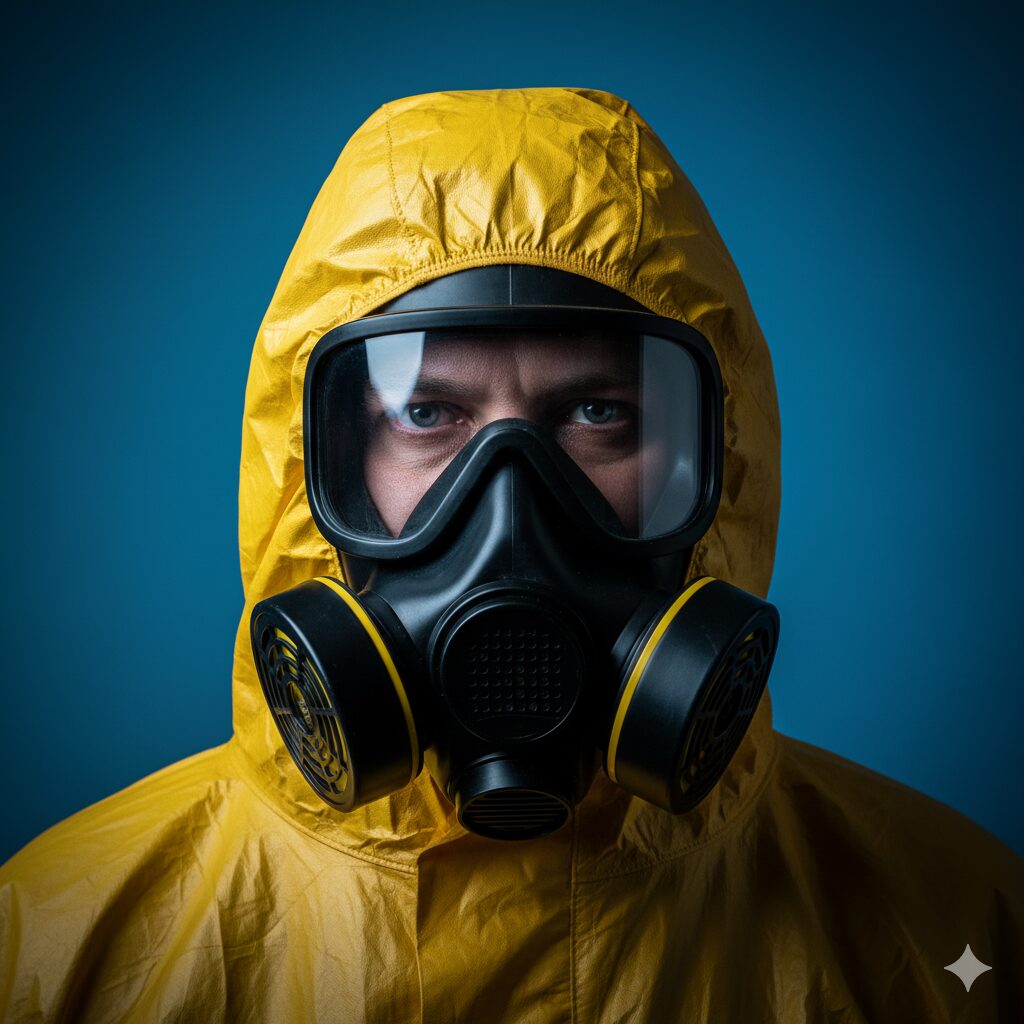
Protective equipment such as gloves, boots, masks, and eye protection are critical. In cases of widespread contamination, evacuating the property may be necessary until professional help arrives.
Why DIY Sewer Water Cleanup Is Extremely Risky
Attempting sewer water cleanup without professional equipment and training is dangerous. Household cleaners are not designed to neutralize sewage pathogens. Improper cleaning can leave bacteria embedded in porous materials and spread contamination to clean areas.
DIY cleanup can also jeopardize insurance claims. Most Canadian insurers require professional remediation for Category 3 water losses to validate coverage.
Professional Sewer Water Cleanup Process Explained
Professional sewer water cleanup follows a strict and proven process.
The first step is a full contamination assessment to determine the extent of affected areas. Containment barriers are installed to prevent cross-contamination.
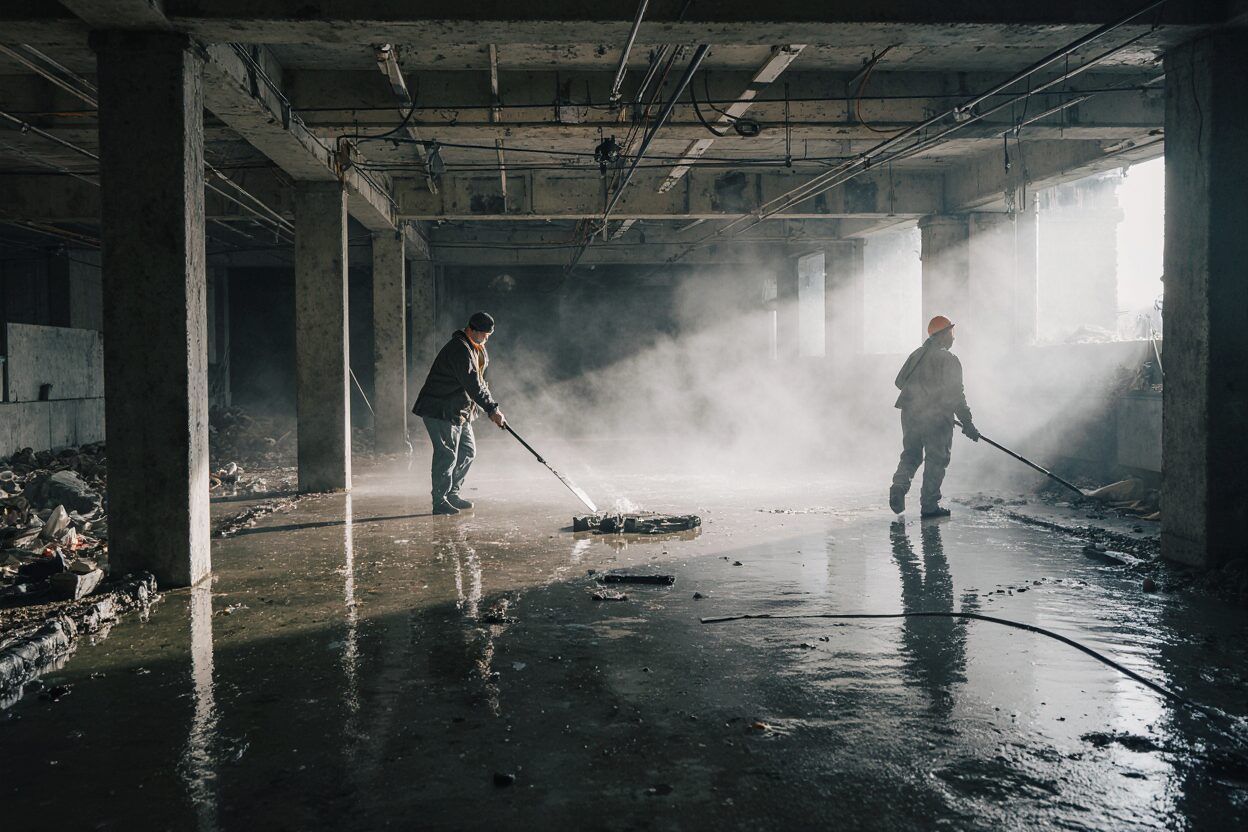
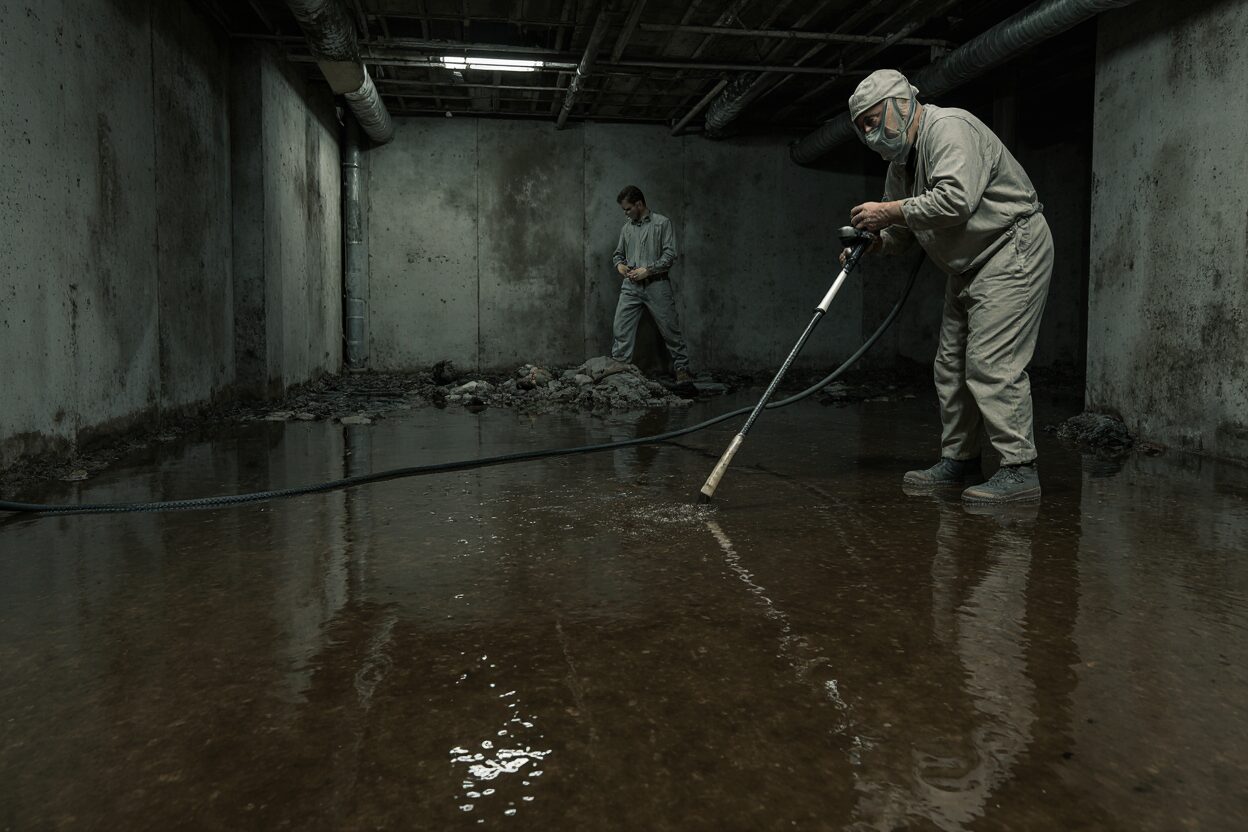
Specialized pumps and extraction equipment remove sewage and contaminated water. Unsalvageable materials such as drywall, carpet, and insulation are safely removed and disposed of according to regulations.
Industrial-grade disinfectants and antimicrobial treatments are applied to all affected surfaces. High-powered air movers and dehumidifiers dry the space thoroughly, preventing mould growth.
Cleaning And Disinfecting After Sewer Water Damage
Proper disinfection is critical. Professionals use EPA and Health Canada-approved antimicrobial agents designed specifically for sewage contamination.
Hard surfaces may be cleaned and disinfected if structurally sound. Porous materials usually require removal due to deep contamination. Air scrubbers with HEPA filtration are often used to improve indoor air quality and remove lingering odours.
How Long Sewer Water Cleanup Typically Takes
Cleanup timelines vary depending on the severity of contamination. Minor sewer backups may take several days, while extensive damage can take weeks.
Drying alone can take three to five days. Clearance testing may be performed to ensure the environment is safe before rebuilding or reoccupation.
Insurance Coverage For Sewer Water Cleanup In Canada
Most standard home insurance policies do not automatically include sewer backup coverage. It is typically added as an endorsement.
The Insurance Bureau of Canada notes that sewer backup claims are among the most expensive water damage claims. Documentation, photos, and professional reports are essential when filing a claim.
Preventing Future Sewer Water Backups
Preventative measures can significantly reduce risk. Installing a backwater valve can prevent sewage from flowing back into your home. Sump pumps with battery backups are highly recommended in flood-prone areas.
Regular sewer line inspections and responsible disposal practices also play a major role in prevention.
Conclusion
Sewer water cleanup is not a situation to delay or underestimate. The health risks, property damage, and long-term consequences are significant. Fast, professional action is the safest and most effective way to restore your property and protect your family.
FAQs
Is sewer water dangerous even after it dries?
Yes. Pathogens and bacteria can remain on surfaces and in materials long after visible moisture is gone.
Can sewer water cause mould growth?
Absolutely. Sewer water creates ideal conditions for mould, which can begin growing within 24 to 48 hours.
Do I need to leave my home during sewer water cleanup?
In many cases, yes, especially if contamination is extensive or affects living areas.
Can furniture be saved after sewer water exposure?
Most upholstered and porous furniture must be discarded due to deep contamination.
How do professionals remove sewer odours?
They use antimicrobial treatments, ozone or hydroxyl generators, and HEPA air filtration.
Is bleach enough to clean sewer water contamination?
No. Bleach alone does not neutralize all sewage pathogens and is not sufficient for proper remediation.
Will my insurance cover sewer water cleanup?
Only if you have sewer backup coverage added to your policy.
How soon should cleanup start after a backup?
Immediately. Delays increase health risks and damage severity.
Can sewer water affect structural materials?
Yes. Prolonged exposure can weaken drywall, wood framing, and flooring systems.
How can I reduce my risk of a sewer backup?
Install a backwater valve, maintain sewer lines, and avoid flushing grease, wipes, or debris.
If you have any questions about our article “Sewer Water Cleanup: Tips For The Best Way To Remove And Clean Sewer Water” or need sewer water cleanup services near you, contact us at 1-833-WE-DRY-IT any time 24/7/365 all the time, we’re there when you need us!