
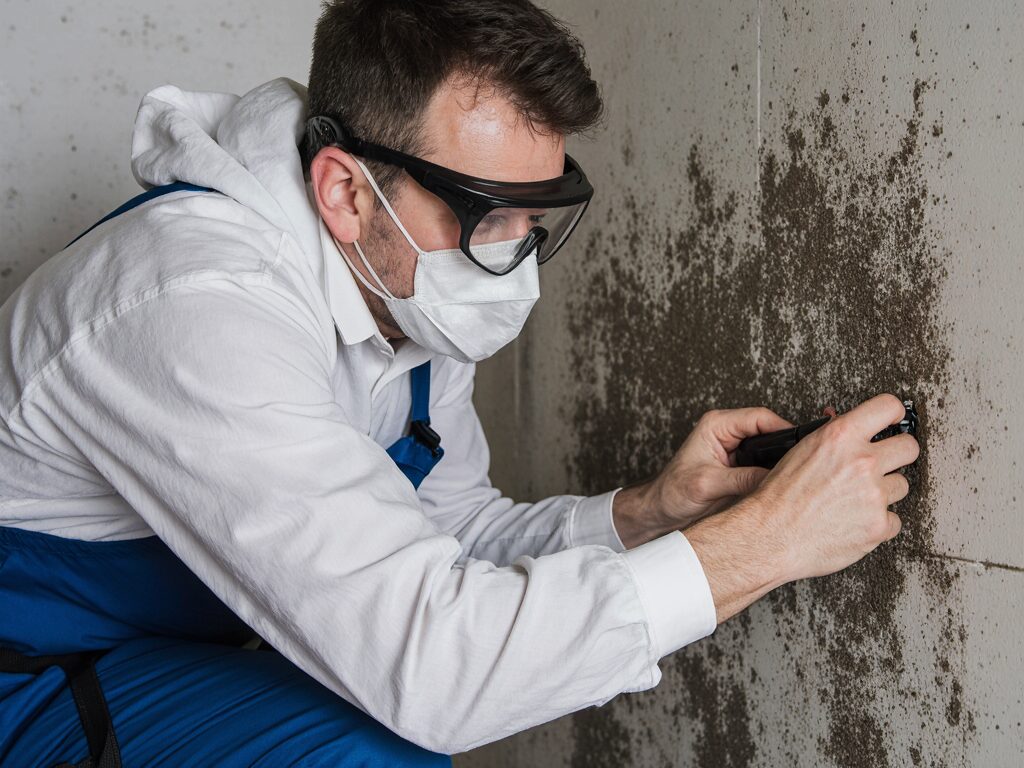
How To Inspect My Home For Mould: Signs, Causes, Removal, And When To Call A Mould Removal Company
Mould is one of the most persistent problems Canadian homeowners face and it’s more than just an eyesore. Left untreated, mould can damage walls, ceilings, floors, furniture, and even the structural integrity of your home. More importantly, mould exposure can lead to serious health problems ranging from mild allergies to chronic respiratory conditions.
The good news? Mould is both detectable and preventable if you know what to look for and act quickly. In this guide, we’ll cover how to inspect your home for mould step-by-step, the most common signs and causes of mould growth, safe ways to remove it, when to call a professional remediation company, and how to prevent mould from coming back.
Let’s get right into it!
Why Mould Detection Matters
Many homeowners ignore mould until it becomes visible, but by then it may have already spread behind walls, under flooring, or into HVAC systems.
Health Risks:
-
Allergic Reactions: Sneezing, runny nose, itchy eyes, and skin irritation.
-
Respiratory Issues: Worsened asthma, wheezing, coughing, chest tightness.
-
Long-Term Exposure Risks: Chronic sinus infections, headaches, fatigue, and even immune system suppression.
-
Children And Seniors Are More Vulnerable: Prolonged exposure can impact cognitive development in children and cause more severe reactions in seniors or those with compromised immune systems.
Property Damage:
-
Structural Deterioration: Mould feeds on cellulose found in wood, drywall, and paper, causing them to weaken and rot.
-
Staining And Discolouration: Persistent black, green, or brown spots on walls and ceilings.
-
Persistent Odours: Musty smells that linger even after cleaning can lower indoor air quality and home value.
Proactive inspection can save thousands of dollars in repairs and safeguard your family’s health.
Top Signs Of Mould Growth In Your Home
Mould isn’t always obvious — sometimes it hides in places you can’t see. Here’s a detailed list of what to look out for:
-
Visible Spots Or Growth: Black, green, grey, or even white fuzzy patches on walls, ceilings, window sills, baseboards, shower grout, or furniture upholstery.
-
Musty Odour: A persistent damp, earthy smell is one of the most reliable signs, especially if it’s stronger in certain rooms.
-
Water Damage Or Stains: Yellow or brown patches on walls or ceilings may indicate a past leak that led to mould growth.
-
Peeling Paint Or Wallpaper: Moisture trapped behind surfaces causes bubbling or peeling — a strong hint mould may be present underneath.
-
Warped Or Soft Flooring: Wood or laminate that buckles or feels soft underfoot may be harbouring mould beneath.
-
Condensation: Persistent moisture on windows or walls is a sign of high humidity that can lead to mould growth.
-
Unexplained Allergy Symptoms: If you feel better when you leave your house, mould might be affecting indoor air quality.
How To Inspect Your Home For Mould
A thorough inspection involves more than just glancing at visible surfaces.
Step-By-Step Inspection Checklist:
-
Start With High-Risk Areas: Basements, bathrooms, kitchens, and laundry rooms are mould hotspots.
-
Inspect Plumbing Areas: Look under sinks, around toilets, near washing machines, and behind dishwashers for leaks or water stains.
-
Check Attics: Look for roof leaks, wet insulation, and dark streaks on rafters. Poor ventilation can cause moisture buildup leading to mould.
-
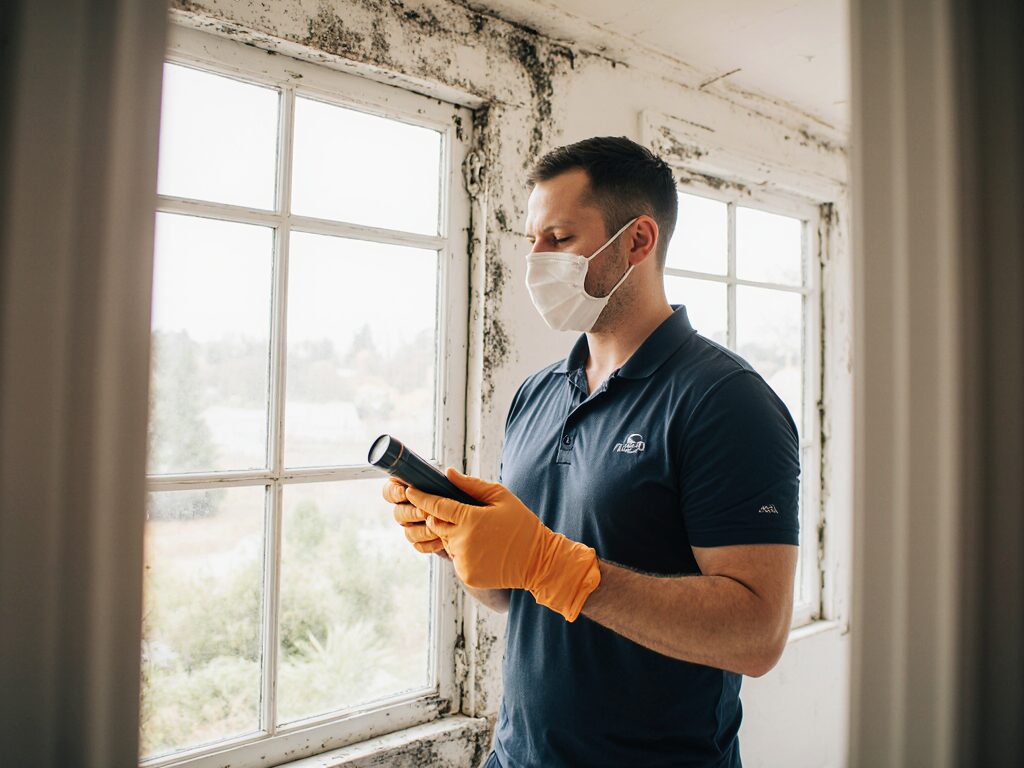
Inspect HVAC Systems: Remove vent covers and shine a flashlight inside ducts. Musty smells coming from vents may indicate hidden mould.
-
Look Around Windows And Doors: Condensation on frames can create perfect mould conditions.
-
Move Furniture: Check behind couches, wardrobes, and shelving units — mould often grows where airflow is restricted.
-
Test Indoor Humidity: Use a hygrometer to measure humidity — aim for 30–50%. Anything consistently above 60% encourages mould growth.
Pro Tip: If you suspect hidden mould (for example, from a past flood or roof leak), consider hiring a professional to do an air quality test or thermal imaging scan to find concealed growth.
Top Causes Of Mould Growth
Knowing what causes mould is essential to stop it from returning after removal:
-
Leaks And Water Intrusion: Burst pipes, roof leaks, foundation cracks, and appliance malfunctions are major culprits.
-
Flooding And Sewer Backups: Any standing water can lead to mould if not dried within 24–48 hours.
-
Poor Ventilation: Bathrooms without exhaust fans, sealed basements, and kitchens without range hoods trap humidity.
-
Condensation: Cold surfaces like uninsulated basement walls collect moisture in winter.
-
High Indoor Humidity: Humidifiers set too high or lack of dehumidification in summer creates a mould-friendly environment.
How To Remove Mould Safely
For small areas (less than one square metre), you can typically clean it yourself:
-
Protect Yourself: Wear gloves, N95 mask, and safety goggles.
-
Prepare A Cleaning Solution: Soap and water or a mix of white vinegar and water (1:1). Avoid bleach unless recommended for non-porous surfaces — bleach can damage drywall.
-
Scrub The Surface: Use a stiff brush to remove mould.
-
Dry Thoroughly: Fans and dehumidifiers should run until completely dry to prevent regrowth.
-
Dispose Of Contaminated Materials: Heavily mouldy carpet, ceiling tiles, and insulation should be bagged and thrown away.
When To Call A Professional Mould Remediation Company
DIY isn’t always enough — here’s when experts are essential:
-
Large-Scale Growth: More than 1 sq. metre of mould needs professional containment and removal.
-
Hidden Mould: If you suspect mould behind walls, under flooring, or in ducts, professionals can locate and safely remove it.
-
Contaminated Water: Mould from sewage backups or grey water is hazardous and requires specialized handling.
-
Recurring Mould Problems: Indicates a moisture source you may not have identified.
-
Health Concerns: If anyone in the home has asthma, allergies, or weakened immunity, professional remediation reduces health risks.
Professionals use HEPA air scrubbers, negative air machines, and antimicrobial treatments to ensure complete removal and prevent spores from spreading to unaffected areas.
How To Prevent Mould In The Future
Preventing mould is easier (and cheaper) than dealing with an infestation:
-
Control Humidity: Use dehumidifiers in basements and during humid summer months.
-
Ventilate Properly: Install and run bathroom exhaust fans for at least 20 minutes after showers. Use range hoods when cooking.
-
Maintain Your Home: Repair leaks immediately, clean gutters, and ensure downspouts direct water away from the foundation.
-
Insulate Cold Surfaces: Wrap pipes and insulate basement walls to prevent condensation.
-
Improve Air Circulation: Use ceiling fans, open doors between rooms, and avoid placing furniture directly against exterior walls.
-
Regularly Inspect: Make it part of seasonal maintenance to check attics, basements, and plumbing areas for moisture.
Conclusion
Mould is a problem you can’t afford to ignore — it threatens your health, your home, and your wallet. By regularly inspecting your home, learning to recognize early signs, and acting quickly when you spot a problem, you can prevent mould from spreading and avoid costly repairs.
For larger infestations or if you are unsure where the mould is coming from, call a professional remediation company. They have the tools and expertise to ensure your home is safe, dry, and healthy again.
FAQs
What Are The Most Reliable Signs Of Mould In A Home?
Black or green spots, musty odours, water stains, and peeling paint are reliable indicators. Allergy-like symptoms that go away when you leave the house are also a warning.
Is Mould Always Visible?
No — mould can hide behind drywall, under carpets, and inside HVAC systems. A persistent smell or past water damage can signal hidden mould.
How Dangerous Is Mould Exposure?
It can range from mild irritation to severe health issues, especially for children, seniors, and those with asthma. Prolonged exposure may lead to chronic respiratory problems.
Can I Use Bleach To Kill Mould?
Bleach works on hard, non-porous surfaces but is not effective for porous materials like drywall or wood, as it doesn’t penetrate deep enough.
How Fast Does Mould Grow After Water Damage?
Mould can start growing in as little as 24–48 hours if an area stays wet. Quick drying is critical.
Should I Test For Mould Myself?
DIY mould test kits exist, but professional testing provides more accurate results and identifies specific mould species.
How Much Does Professional Mould Remediation Cost?
Small jobs may cost a few hundred dollars, while major infestations can cost several thousand depending on the size and complexity.
Can Mould Come Back After Removal?
Yes, if the source of moisture isn’t fixed. Proper remediation includes addressing leaks, humidity, and ventilation issues.
How Often Should I Inspect My Home For Mould?
At least twice a year — ideally during spring and fall — and after any major leak or flooding incident.
What Is The Best Way To Keep My Home Mould-Free?
Control moisture with proper ventilation, dehumidifiers, and prompt repairs. Regular inspections will catch issues before they become serious.