
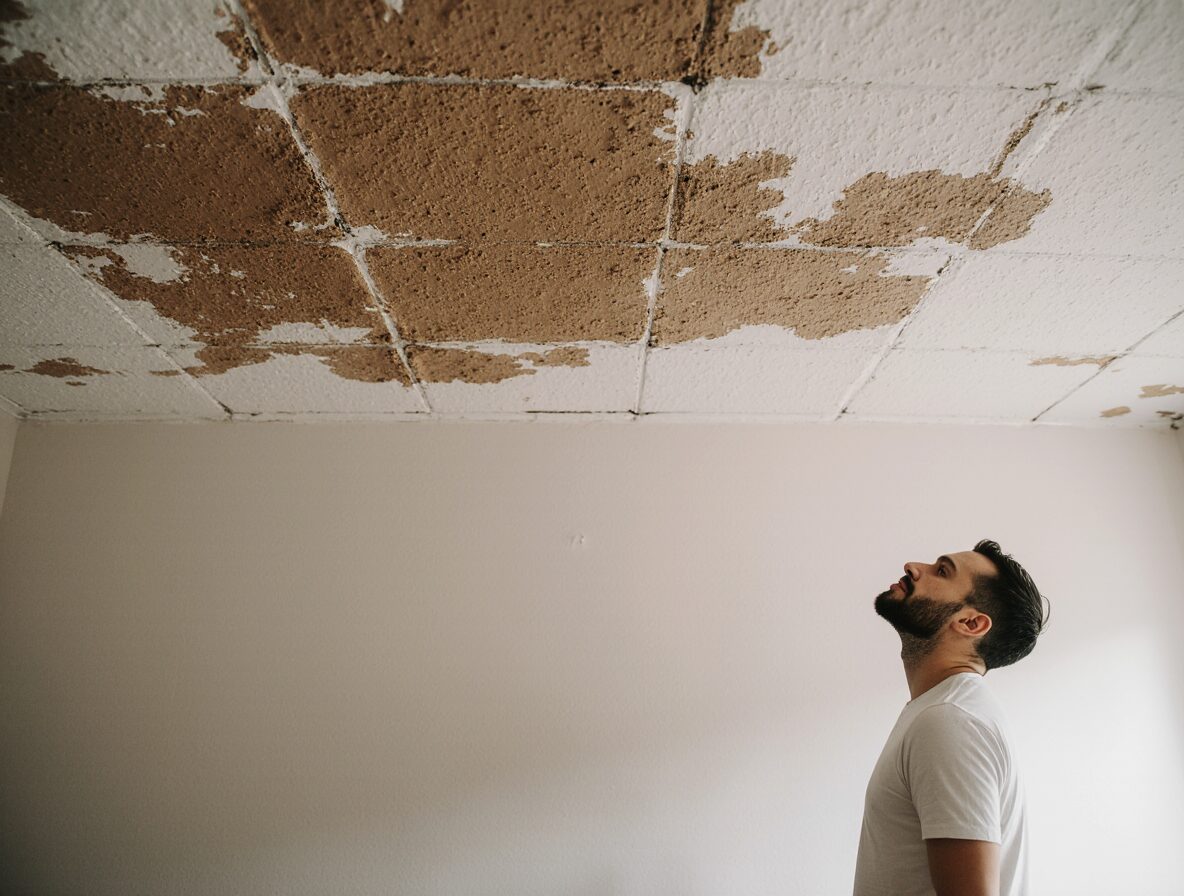
Easy DIY Checks To Spot Water Damage Early
By: 911 Water Damage Experts
Water damage is one of the most common and costly issues faced by Canadian homeowners. From minor leaks to major floods, moisture-related problems can quickly escalate if left unchecked.
Fortunately, spotting signs of water trouble early doesn’t require expensive tools or professional training. With a few simple DIY checks, you can catch potential issues before they become disasters.
Let’s get right into it!
Why Early Detection Of Water Damage Matters
In Canada, water damage accounts for more than $2 billion in insurance claims annually, making it one of the most frequent types of property damage reported. According to the Insurance Bureau of Canada (IBC), water-related claims have now surpassed fire and theft combined in terms of cost and frequency.
Early detection helps you:
Avoid costly repairs from structural or mould damage
Maintain a safe and healthy indoor environment
Improve chances of successful insurance claims
Prevent long-term depreciation of your property
Moisture problems can lead to health concerns due to mould growth, especially for those with allergies or respiratory issues. Left unresolved, even a slow leak can compromise your home’s framing, insulation, and electrical systems.
DIY Water Damage Checks Room By Room
Basement
The basement is often the first place water problems appear.
Smell for musty odours, which can indicate hidden moisture or mould.
Look for efflorescence—white chalky residue on concrete—which signals water seepage.
Inspect the walls and baseboards for water stains or bubbling paint.
Ensure your sump pump is functional and clean. Test it by pouring water into the pit and watching it cycle.
Bathrooms
Bathrooms see constant water use, so vigilance is key.
Check under sinks for soft wood, leaks, or discolouration.
Look around toilets and tubs for cracked caulking or mildew growth.
Examine ceilings beneath upper-level bathrooms for sagging drywall or water stains.
Kitchen
Appliances and fixtures in the kitchen are common leak sources.
Pull out your dishwasher and refrigerator to inspect for pooling water or warped flooring.
Check under the sink for wet spots or corroded piping.
Inspect the water line connected to your fridge’s ice maker for cracks or drips.
Attic
Moisture problems often go unnoticed in attics until damage is severe.
Look for black or brown spots on rafters or insulation.
In winter, check for frost—this indicates poor ventilation and trapped moisture.
Use a flashlight to examine roof sheathing for mould or signs of leaks.
Around Windows And Doors
Exterior openings are vulnerable to water intrusion.
Feel for soft, swollen, or warped wood on window sills and door frames.
Inspect caulking and seals for deterioration.
Look for peeling paint, which could suggest hidden water behind the walls.
Exterior Of The Home
Your home’s exterior plays a major role in keeping water out.
Make sure gutters and downspouts are clear and redirecting water at least six feet away from the foundation.
Check for pooling water near the base of your home, especially after rain.
Inspect siding, flashing, and roof edges for visible gaps or water staining.
Subtle Signs You Might Miss
Water damage isn’t always obvious. Keep an eye out for these overlooked indicators:
A sudden spike in your water bill with no known cause
Floors that feel soft, bouncy, or uneven
Discolouration or bubbling in paint or wallpaper
Rust on nails, hinges, or pipes
A persistent increase in allergy symptoms, which may be linked to hidden mould.
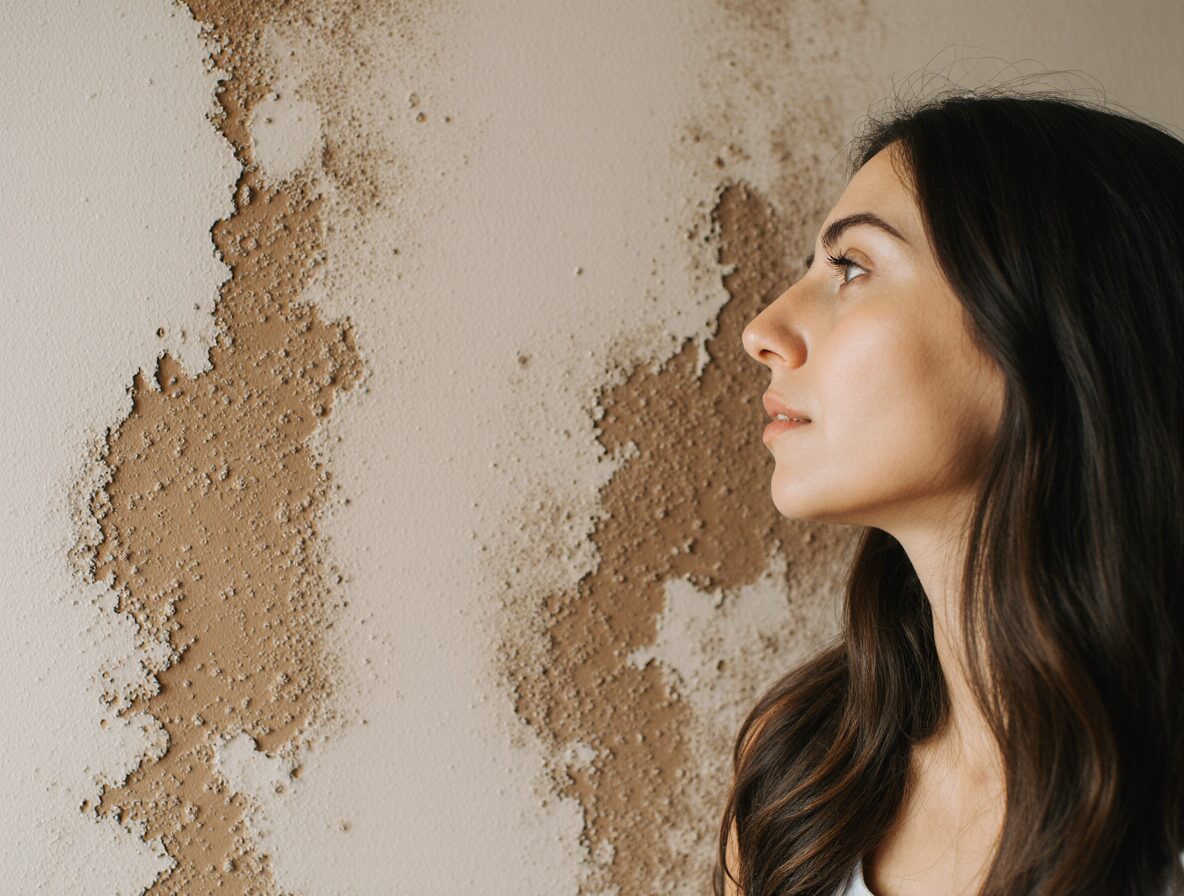
Simple Tools To Help You Spot Trouble
You don’t need expensive gear—just a few basic tools can make a difference:
Moisture Meter: Inexpensive and useful for detecting dampness behind walls or under floors.
Infrared Thermometer: Helps identify cold spots that could indicate moisture.
Flashlight And Small Mirror: Essential for seeing behind appliances and in tight spaces.
Leak Detection Apps or Sensors: Some smart home devices can alert you to water leaks in real-time.
Canadian-Specific Water Risk Factors
Living in Canada brings unique risks due to its climate and infrastructure:
Freeze-Thaw Cycles: Can crack foundations, pipes, and exterior walls.
Spring Snow Melt: Causes basement flooding in regions with poor grading or drainage.
Ice Dams: Common in colder provinces, where melting snow refreezes at roof edges and pushes water under shingles.
Older Homes: Many Canadian homes have outdated plumbing or poor drainage design.
What To Do If You Find A Problem
If you detect a minor issue, such as a small leak or water stain:
Dry the area thoroughly and monitor it over time.
Reseal joints or apply caulking where needed.
Clean up any visible mould with appropriate cleaners and personal protective equipment.
For major problems—like black mould, structural rot, or persistent leaks—call a professional water damage restoration company like 911 Water Damage Experts. Document everything with photos, and notify your insurance provider as soon as possible.
Prevention Tips To Avoid Future Water Damage
Clean gutters and downspouts every season.
Install a sump pump with battery backup in your basement.
Use weather stripping around windows and doors.
Test your sump pump quarterly.
Install leak detectors near washing machines, water heaters, and dishwashers.
Ensure landscaping slopes away from the foundation.
Final Thoughts
Routine DIY inspections can protect your home, health, and wallet. In a country like Canada, where weather extremes and older housing stock are common, staying ahead of water damage is essential. Set a quarterly reminder to inspect your home for moisture issues, and make water damage prevention part of your seasonal home maintenance routine.
Frequently Asked Questions
What Are The First Signs Of Water Damage In A Home?
Musty smells, discoloured patches on walls or ceilings, peeling paint, or warped floors are often the first warning signs.
Can I Detect A Water Leak Without Tools?
Yes. Visual inspections and monitoring your water bill for unexplained increases can reveal hidden leaks.
How Often Should I Inspect My Home For Water Damage?
Ideally, do a full inspection every season—especially after heavy rainfall, thawing snow, or temperature extremes.
Is Mould Always Visible If There’s Water Damage?
No. Mould can grow behind walls or under flooring and remain hidden until the damage is severe.
Do I Need A Moisture Meter?
While not required, a moisture meter is a handy, affordable tool that gives you confidence when checking suspicious areas.
Can High Humidity Alone Cause Water Damage?
Yes. Constant indoor humidity above 60% can lead to condensation, which may cause rot or mould over time.
Should I Show Water Damage Photos To My Insurance Provider?
Yes. Document everything thoroughly—photos help support your claim and show the progression of the issue.
Is It Safe To Remove Mould Myself?
Small patches (less than 1 square metre) can usually be cleaned safely. Larger infestations require professional remediation.
What Are Common Water Damage Risks In Canadian Winters?
Frozen pipes, ice dams, and snow melt entering basements are the most common cold-season risks.
Do Water Leak Detectors Actually Work?
Yes. Many smart sensors can detect moisture and send alerts to your phone in real time, helping prevent major issues.
Related Posts
Water Damage Restoration Articles
What you can expect from a fire damage restoration company
Water damage prevention tips from the most common problems we’ve seen
Top causes of water damage in commercial buildings and how to find them
Must-know water damage tips: What to do after your house floods
What does good water damage restoration look like?
DIY water damage restoration and the hidden dangers
How to choose the right water damage company
Flast floods: What to do before, during and after a flash flood
What to do when your attic leaks?
Mould Removal Restoration Articles
5 Signs You Have Mould Growing In Your Walls
“Can I Remove Mould Myself?” Our Mould Removal Experts Have Answers
7 Must-Know Reasons Why You Should Get A Mould Inspection Before Buying A House
Does Mould Attract Bugs? Yes And Here’s What Kind And Why
How To Remove Mould From The Attic [Mould Prevention Tips Inside]
How Rain Causes Mould Growth-Prevention Tips Included
Must-Know Tips: How To Remove Mould In Your Basement
Fire Damage Restoration Articles
How to clean up after a house fire
Fire damage restoration checklist
Fire damage tips: 6 hazards property owners miss
How smoke from fires can negatively affect your health
What are the most common causes of house fires?
10 helpful smoke damage cleaning tips
Related Water Damage Services
Fire damage restoration services
Water damage restoration services
Emergency cleanup services
Mould removal services
Weather damage services