
Dealing With Mould After Basement Flooding
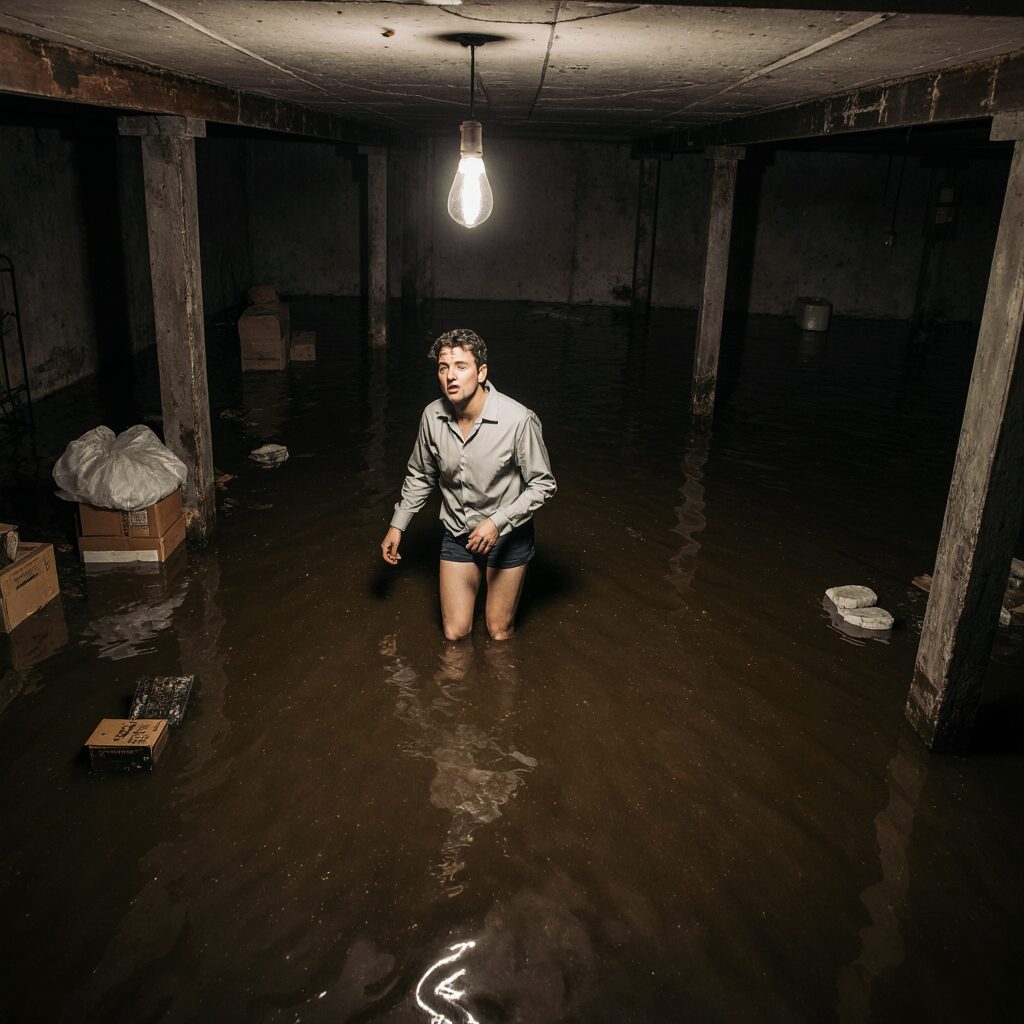
Basement flooding is one of the most common and costly issues Canadian homeowners face—especially during periods of heavy rainfall, snowmelt, or plumbing failures. When water enters the basement, mould becomes an immediate concern.
Health Canada warns that mould can begin forming within 24 to 48 hours, making quick action essential. Once mould takes hold, it can cause health issues, structural damage, and long-term air quality problems.
This guide walks you through exactly how to deal with basement mould after flooding, how to stop it from spreading, and how to prevent it from coming back.
Why Basement Flooding Leads To Mould Growth
Basements naturally hold more moisture than other parts of the home. They are below grade, often poorly ventilated, and built with materials that easily absorb water. Once flooding occurs, moisture seeps into drywall, wood, carpets, insulation, and flooring.
Mould spores—which already exist everywhere—activate as soon as they have moisture and organic material to feed on. In Canada’s humid summers and unpredictable seasonal shifts, basements create a perfect breeding ground.
Floodwater also lingers longer in basements because there is nowhere for it to drain naturally. That trapped moisture fuels mould growth rapidly, especially in hidden areas such as behind walls or under flooring.
Common Causes Of Basement Flooding In Canada
Basement flooding can occur for many reasons, and understanding the cause helps determine how to prevent future incidents.
Heavy Rainfall
Sudden downpours overwhelm drainage systems, causing water to seep into foundations.
Snowmelt And Runoff
Spring thaw in Canada can saturate soil and push water into the home through cracks or weak spots.
Foundation Cracks
Even small cracks allow groundwater to enter, especially during wet seasons.
Sump Pump Failure
A malfunctioning sump pump is one of the leading causes of basement flooding.
Sewer Backup
Municipal drains can become overwhelmed, sending contaminated water into the home.
Appliance Or Plumbing Leaks
Water heaters, washing machines, and burst pipes can all trigger basement flooding.
Each cause requires a different long-term prevention method, which we’ll cover later.
How To Recognize Mould After Flooding
Not all mould is visible right away. Some grows behind walls or under floors before showing surface signs.
Musty Odours
A damp, earthy smell is often the first sign of mould.
Visible Patches
Look for black, green, white, or brown growth on walls, wood, and carpets.
Bubbling Paint Or Swollen Drywall
Even without visible mould, these signs indicate moisture trapped behind materials.
Cold-Feeling Walls
Moisture can hold temperature—cold spots often indicate hidden moisture pockets.
Health Symptoms
Coughing, headaches, runny noses, and allergy-like reactions can signal poor indoor air quality.
Immediate Steps To Take After A Basement Flood
Ensure Safety First
If water is near electrical outlets or wiring, do not enter. Shut off power only if it’s safe to access the panel.
Remove Standing Water Quickly
Use pumps, mops, or wet/dry vacuums to remove as much water as possible.
Improve Ventilation
Open windows and doors if weather allows. Airflow slows mould growth.
Remove Wet Materials
Carpets, underpads, cardboard, furniture, and other porous materials absorb water quickly and must be removed.
Cut Out Wet Drywall
Drywall absorbs water like a sponge. Cut 12–24 inches above the waterline.
Prevent Cross-Contamination
Seal off unaffected areas using plastic sheeting to stop mould spores from spreading.
Quick action within the first 24 hours is critical to limiting mould growth.
Health Risks Of Mould Exposure
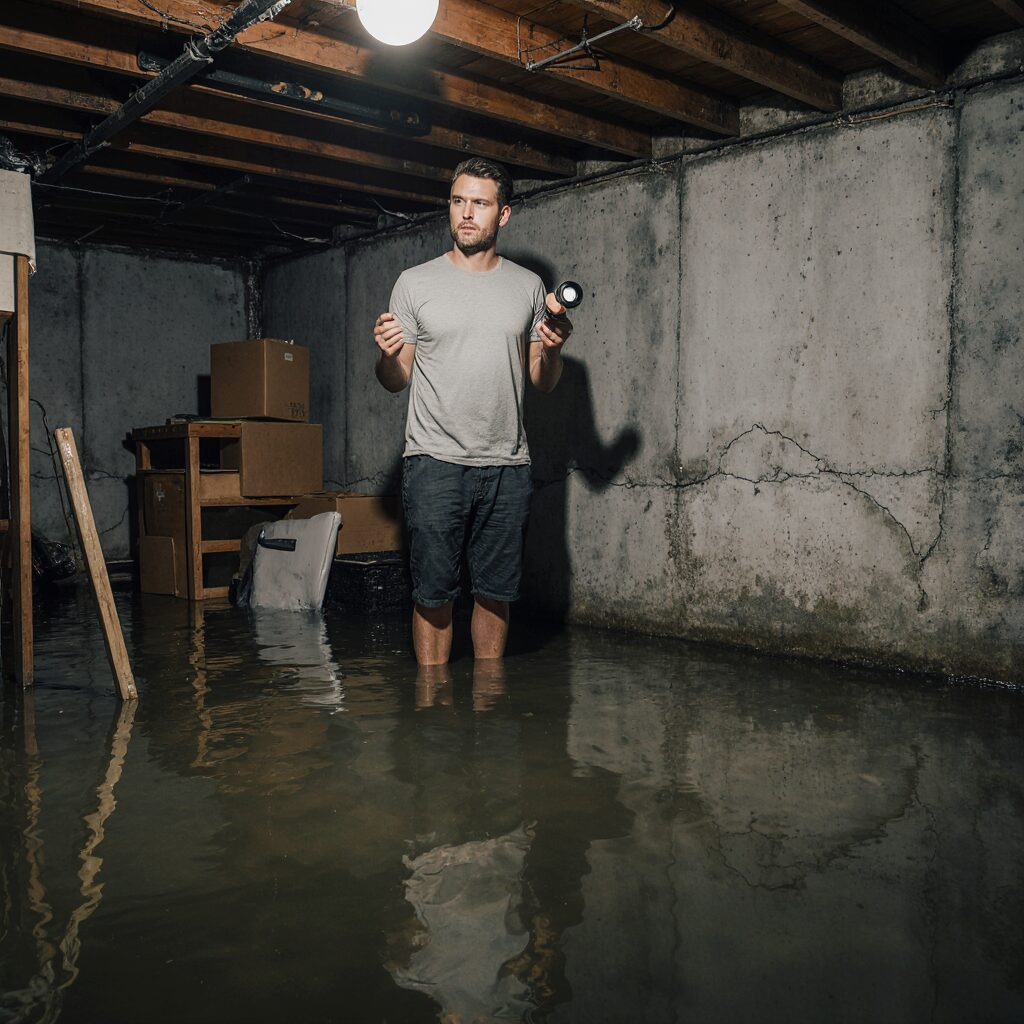
Mould releases spores and sometimes mycotoxins that impact indoor air quality. According to Health Canada, exposure may cause:
-
Coughing and wheezing
-
Nasal congestion
-
Eye and throat irritation
-
Worsening asthma
-
Increased symptoms in seniors and children
Long-term exposure can lead to chronic respiratory issues. This makes proper mould removal essential—not optional.
How To Remove Mould Safely
Wear Proper Protective Gear
Use gloves, goggles, and an N95 or higher-rated mask.
Small Areas Can Be Cleaned By Homeowners
Health Canada generally considers less than one square metre safe for DIY cleaning.
Use Safe Cleaning Solutions
A mixture of detergent and water works well. Bleach is not recommended for porous materials, as it does not penetrate them effectively.
Remove Contaminated Materials
Wet insulation, vapour barriers, drywall, and carpeting must be discarded.
Scrub And Treat Wood Framing
Use detergent followed by an anti-microbial solution specifically designed for building materials.
Use HEPA Air Scrubbers And Filtration
These machines capture airborne spores and prevent spread.
When To Call A Professional
Call a certified mould remediation company when:
-
The mould covers more than one square metre
-
The water was contaminated
-
The HVAC system is affected
-
Mould has spread behind walls
Professionals use industry-standard containment, negative air pressure, and detailed remediation protocols.
Drying The Basement Properly
Use Commercial Dehumidifiers
Household models often lack the power to dry soaked materials.
Run Air Movers
These high-speed fans push moisture into the air for removal by dehumidifiers.
Monitor Moisture Levels
Moisture meters are essential to ensure materials are fully dry.
Allow Several Days To Dry
Basements often take 3–7 days to dry depending on damage severity.
Do Not Rebuild Until Completely Dry
Rebuilding prematurely traps moisture and recreates mould problems.
Preventing Mould During The Drying Process
Control Humidity
Keep the humidity under 50%.
Disinfect Hard Surfaces
Use appropriate cleaning products to remove bacteria and prevent mould spores from landing.
Treat Exposed Wood And Concrete
Anti-microbial sprays help prevent future mould growth.
Maintain Airflow
Use fans, open windows, and create cross-ventilation when possible.
Professional Mould Remediation: What To Expect
Assessment And Testing
Professionals examine structural materials, air quality, and moisture levels.
Containment Setup
Heavy plastic barriers and negative air machines prevent spores from spreading.
Removal Of Contaminated Material
Drywall, insulation, and carpeting are safely removed and bagged.
Cleaning And Treatment
All surfaces are scrubbed and treated with anti-microbial solutions.
HEPA Vacuuming And Air Scrubbing
This ensures all spores are captured and removed.
Clearance Testing
Many companies offer post-remediation testing for peace of mind.
How Basement Flooding Affects Home Value
Water damage—especially if mould is involved—can significantly affect a home’s resale value. Buyers may hesitate if damage was not professionally remediated. Insurance claims history can also impact future premiums. Proper documentation and professional reports help maintain property value.
When To Contact Insurance And What They Cover
Coverage depends on the cause of the flooding:
-
Sewer backup insurance covers drain or municipal line issues.
-
Overland flood insurance covers water entering from outside.
-
Sudden plumbing issues are typically included in standard policies.
Mould resulting from delayed action or neglect is rarely covered. Document all damage with photos and videos and contact your provider early.
Long-Term Prevention Strategies
Improve Exterior Drainage
Ensure the grading slopes away from your foundation.
Install Or Upgrade A Sump Pump
A battery backup ensures protection during power outages.
Repair Foundation Cracks
Hydraulic cement or professional injections help prevent seepage.
Install A Backwater Valve
Reduces risk of sewer backup.
Use A Dehumidifier In Summer
This keeps moisture under control.
Install Leak And Humidity Sensors
Smart systems can alert your phone to water problems instantly.
Conclusion
Dealing with mould after basement flooding requires fast, informed action. Removing water quickly, drying thoroughly, and properly addressing contaminated materials prevents long-term issues. With the right preventative measures—from insulation to drainage improvements—you can protect your home from future mould and flooding events.
Staying proactive is the key to a healthy, safe, and mould-free home.
If you have any questions about our article “Dealing With Mould After Basement Flooding” or need mould removal services near you contact us at 1-833-WE-DRY-IT or connect with us on social media.
FAQs
How Fast Can Mould Grow After A Basement Flood?
Mould can begin forming within 24–48 hours according to Health Canada, especially in damp, poorly ventilated areas.
Can I Stay In My Home If There Is Mould In The Basement?
It depends on the level of contamination. Small areas may be manageable, but widespread mould requires remediation and may affect indoor air quality.
Do I Need A Professional To Remove Basement Mould?
If the area is larger than one square metre or involves contaminated water, professional remediation is recommended.
Is Mould Dangerous For Pets And Children?
Yes, mould spores can aggravate asthma, allergies, and respiratory issues in young children and animals.
Does Insurance Cover Mould Removal After Flooding?
Insurance may cover mould resulting from sudden and accidental flooding, but may not cover mould caused by delayed action.
Can I Use Bleach To Clean Mould?
Bleach is not recommended for porous materials. Detergent and water or approved anti-microbial cleaners are more effective.
Why Does My Basement Smell Musty Even After Drying?
Moisture may still be trapped behind walls or under flooring, or mould spores may remain in the air.
How Do Professionals Test For Mould?
They use moisture meters, air sampling, infrared cameras, and surface swabs.
Can A Dehumidifier Prevent Basement Mould?
A dehumidifier helps maintain humidity below 50%, which reduces mould growth.
How Can I Prevent Basement Flooding?
Improve drainage, maintain your sump pump, seal foundation cracks, install a backwater valve, and monitor humidity levels.
Related Posts
Fire Damage Restoration Articles
The Dos And Don’ts Of Commercial Fire Damage
Forest Fire House Damage: What To Do After Your House Is Damaged By A Forest Fire And Who to Call?
Fire prevention tips for the summer
How to clean up after a house fire
Fire damage restoration checklist
Fire damage tips: 6 hazards property owners miss
How smoke from fires can negatively affect your health
What are the most common causes of house fires?
10 helpful smoke damage cleaning tips
Mould Removal Restoration Articles
Is Bathroom Mould Dangerous? Powerful Mould Prevention Tips Inside
Dangers Of Bathroom Mould And Tips On How To Clean And Prevent It
Got Bathroom Mould? Here Are Some Must-Know Bathroom Mould Cleaning Tips
5 Signs You Have Mould Growing In Your Walls
“Can I Remove Mould Myself?” Our Mould Removal Experts Have Answers
7 Must-Know Reasons Why You Should Get A Mould Inspection Before Buying A House
Does Mould Attract Bugs? Yes And Here’s What Kind And Why
How To Remove Mould From The Attic [Mould Prevention Tips Inside]
How Rain Causes Mould Growth-Prevention Tips Included
Must-Know Tips: How To Remove Mould In Your Basement
Water Damage Restoration Articles
How to prevent home storm damage
What you can expect from a fire damage restoration company
Water damage prevention tips from the most common problems we’ve seen
Top causes of water damage in commercial buildings and how to find them
Must-know water damage tips: What to do after your house floods
What does good water damage restoration look like?
DIY water damage restoration and the hidden dangers
How to choose the right water damage company
Flast floods: What to do before, during and after a flash flood
What to do when your attic leaks?
This is why water damage is a silent home killer
Related Water Damage Services
Fire damage restoration services
Water damage restoration services
Emergency cleanup services
Mould removal services
Weather damage services