
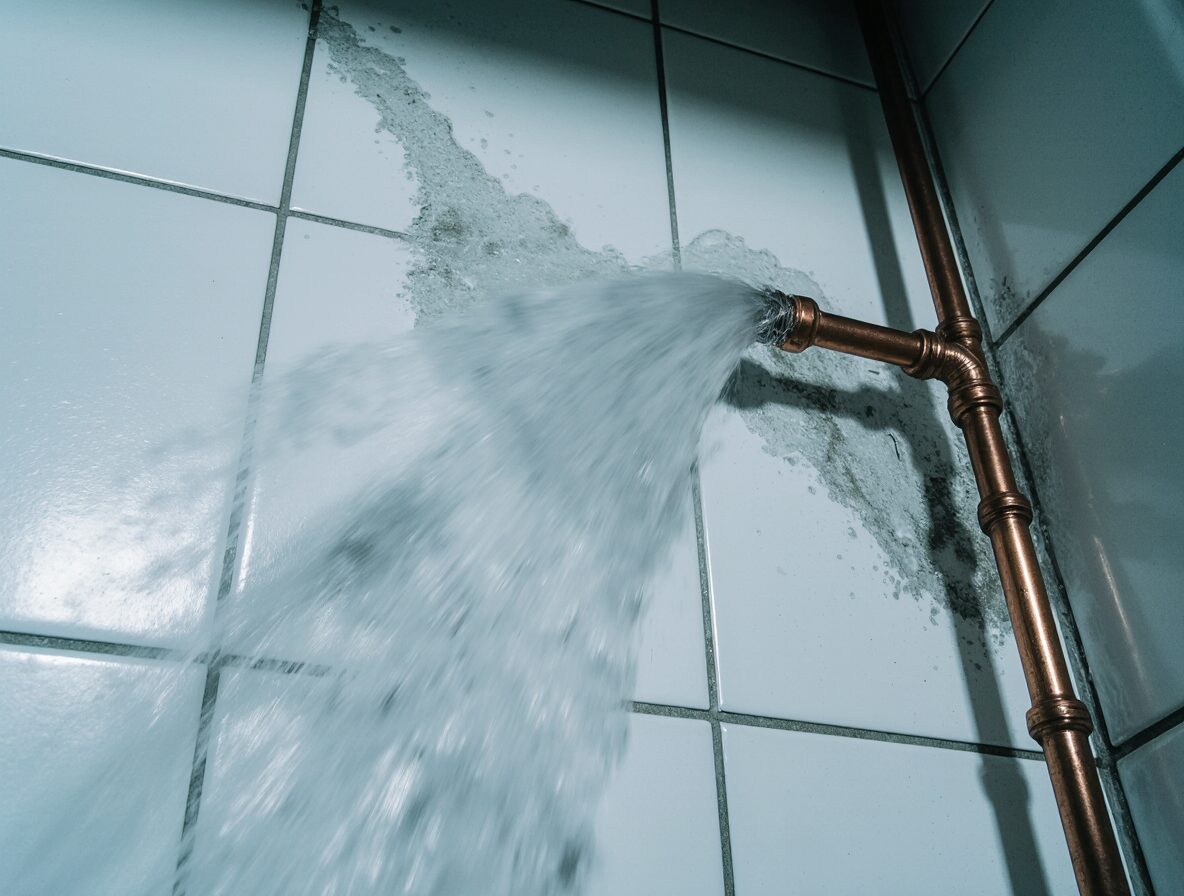
My Pipe Burst, What Do I Do And How To Fix It?
By: 911 Water Damage Experts
A burst pipe is one of the most stressful and damaging emergencies a homeowner can face.
When a pipe ruptures, water pours into walls, ceilings, basements, and flooring—often within seconds. In a cold climate like Canada, burst pipes are even more common due to freezing temperatures and pressure build-ups in plumbing systems.
According to the Insurance Bureau of Canada, water damage now represents nearly half of all home insurance claims nationwide, with burst pipes being a major contributor.
The good news?
Acting quickly can dramatically reduce damage and repair costs.
Before professionals arrive, there are critical steps you can take to protect your home and belongings. This guide explains exactly what to do and how burst pipes are fixed, whether temporarily or permanently.
Why Pipes Burst In Canadian Homes
Canadian winters are not gentle on plumbing systems. When temperatures drop below freezing, the water inside pipes expands. If the pressure becomes too great, the pipe cracks or fully bursts.
Other common causes include:
Poor Insulation
Pipes located in attics, crawl spaces, garages, or uninsulated exterior walls freeze quickly.
Ageing Plumbing Systems
Older copper or galvanized steel pipes can corrode from the inside, thinning the metal until it fails.
Rapid Temperature Fluctuations
Warm days followed by sudden deep freezes stress pipe material and joints.
Corrosion And Rust
Hard water minerals wear down pipe interiors over time.
High Water Pressure
Excess pressure can weaken pipe fittings and joints.
Understanding the cause helps prevent future problems once repairs are complete.
How To Identify A Burst Pipe
Burst pipes don’t always gush water like in movies. Many start as slow leaks hidden behind walls or ceilings.
Common signs include:
Drop In Water Pressure
If your faucets suddenly slow to a trickle, you may have a rupture.
Unusual Sounds From Walls Or Floors
Hissing, bubbling, rushing water, or banging noises indicate abnormal water movement.
Wet Spots Or Puddles
Look for damp carpets, swelling drywall, bubbling paint, or water pooling in unexpected areas.
Discoloured Water
Rusty or cloudy water can indicate pipe corrosion or contamination from a break.
Musty Odours
Moisture trapped behind walls can create mould within 24–48 hours (Health Canada).
Spike In Water Bill
A sudden unexplained increase often means water is leaking somewhere.
If you notice even one of these signs, treat it as an active emergency.
Immediate Actions To Take After Your Pipe Bursts
Shut Off The Main Water Supply
Locate your main shut-off valve—often near the water meter or in the mechanical room—and turn it off immediately. This is the most effective way to stop the flow.
Turn Off Electricity If Water Is Nearby
Water near outlets or electrical panels is extremely dangerous. Shut off the breaker only if the area is dry enough to approach.
Open All Faucets To Relieve Pressure
After stopping the water supply, open sinks and tubs. This helps drain leftover water and reduce internal stress in the plumbing system.
Turn Off The Water Heater
Running a water heater when the main supply is off can damage the unit.
Contain The Leak As Best You Can
Use towels, buckets, and a wet/dry vacuum to control spreading water. Move valuables to safety immediately.
Keep Children And Pets Away From The Area
Wet flooring, sharp debris, and electrical hazards can be risky.
How To Stop The Leak Temporarily
Temporary fixes can slow the flow but should never replace professional repairs.
Pipe Repair Tape
Self-fusing silicone tape can tightly wrap small cracks and slow down the leak.
Pipe Clamps Or Rubber Patches
Rubber pads or clamps pressed over the break create a temporary seal.
Epoxy Putty
This putty hardens around cracks and holes, offering a short-term solution.
When Temporary Fixes Are Safe
Small cracks can be controlled with patches as long as water is fully shut off.
When They Are Not Safe
Large ruptures, sewage lines, or pipes near electrical systems require a professional immediately.
How To Clean Up Water Quickly
Water spreads fast. The sooner you remove it, the better.
Remove Standing Water
Use towels, mops, or a wet/dry vacuum to remove as much water as possible.
Increase Airflow
Open windows if temperatures permit. Use fans to begin drying surfaces.
Use Portable Heaters
Warm air accelerates evaporation, especially in cold spaces.
Protect Your Flooring And Walls
Lift furniture off wet flooring. Use aluminum foil under legs to prevent staining.
Understand Mould Timelines
Health Canada notes that mould can begin forming within 24 to 48 hours, making early drying crucial.
How To Fix A Burst Pipe Permanently
Permanent repairs should almost always be handled by a licensed plumber.
Cutting Out The Damaged Section
Plumbers remove the broken portion to prevent future failure.
Using Shark-Bite Or Compression Fittings
These quick-connect fittings provide secure seals for copper, PEX, or CPVC.
Soldering Copper Pipes
This requires skill and special equipment—DIY attempts often result in leaks or fire hazards.
Pressure Testing The Repair
The system must be tested for leaks before restoring normal water flow.
Why DIY Repairs Can Void Insurance
Insurers may deny claims if improper repairs cause further damage later.
Documenting Damage For Insurance Claims
Take Photos And Videos Immediately
Document all water damage and affected materials.
Record Dates And Times
Insurance adjusters rely heavily on timelines.
Save Receipts
Temporary supplies and emergency services may be reimbursed.
Call Your Insurance Company Early
Most Canadian home insurance policies cover burst pipes but require proof the home was heated and maintained.
Preventing Future Burst Pipes
Insulate Vulnerable Pipes
Especially in exterior walls, basements, and crawl spaces.
Use Heat Tape Or Pipe Heaters
These devices keep pipes warm enough to prevent freezing.
Seal Cold Drafts
Small air leaks behind walls can freeze pipes from the inside.
Keep Indoor Heat Consistent
Even during vacations or short trips.
Disconnect Outdoor Hoses
Frozen hose bibs are a major cause of burst exterior pipes.
Install Smart Leak Detectors
Many smart sensors alert your phone if freezing or leaks occur.
When To Leave The Home
Evacuate if:
Water reaches electrical systems
There is risk of ceiling collapse
Sewage water is present
Water rises quickly in the basement
Air quality becomes unsafe
Safety must always come first.
Conclusion
A burst pipe can be a major crisis, but your actions in the first few minutes can dramatically reduce both damage and repair costs. Shutting off water, minimizing spread, documenting the damage, and starting initial drying all buy precious time before help arrives. With proper insulation and prevention strategies, you can greatly reduce the risk of facing this emergency again.
If you have any questions about our article “My Pipe Burst, What Do I Do And How To Fix It?”or need water damage restoration services contact us at 1-833-WE-DRY-IT any time or connect with us on social media.
FAQs
How Do I Know If A Pipe Burst Behind The Wall?
Watch for water stains, bubbling paint, unusual odours, or the sound of running water when taps are off.
Can I Fix A Burst Pipe Myself?
You can apply temporary patches, but permanent repairs should be done by a professional to avoid future leaks.
Does Home Insurance Cover Burst Pipes?
Most Canadian policies cover sudden burst pipes, but may deny claims if the home was unheated or neglected.
How Soon Does Mould Grow After A Burst Pipe?
Mould can begin forming within 24–48 hours according to Health Canada, especially in warm, moist environments.
What If I Can’t Find My Main Water Shut-Off Valve?
It’s usually near the water meter, basement wall, or mechanical room. Call your municipality for guidance if needed.
Why Did My Pipe Freeze Even When My House Was Warm?
Pipes in exterior walls or non-insulated areas can still freeze regardless of the home’s main temperature.
Is A Slow Leak Considered A Burst Pipe?
Not always. A burst pipe typically releases significant water, but slow leaks can cause similar long-term damage.
Do I Need To Replace The Whole Pipe System?
Only the damaged section is usually replaced unless corrosion or age affects multiple areas.
How Long Does A Plumber Take To Fix A Burst Pipe?
Most repairs take 1–3 hours depending on accessibility and pipe material.
What Can I Do To Prevent Pipes From Bursting Again?
Insulate pipes, seal drafts, use heat tape, and install smart leak detectors to catch issues early.
Related Posts
Fire Damage Restoration Articles
The Dos And Don’ts Of Commercial Fire Damage
Forest Fire House Damage: What To Do After Your House Is Damaged By A Forest Fire And Who to Call?
Fire prevention tips for the summer
How to clean up after a house fire
Fire damage restoration checklist
Fire damage tips: 6 hazards property owners miss
How smoke from fires can negatively affect your health
What are the most common causes of house fires?
10 helpful smoke damage cleaning tips
Mould Removal Restoration Articles
Is Bathroom Mould Dangerous? Powerful Mould Prevention Tips Inside
Dangers Of Bathroom Mould And Tips On How To Clean And Prevent It
Got Bathroom Mould? Here Are Some Must-Know Bathroom Mould Cleaning Tips
5 Signs You Have Mould Growing In Your Walls
“Can I Remove Mould Myself?” Our Mould Removal Experts Have Answers
7 Must-Know Reasons Why You Should Get A Mould Inspection Before Buying A House
Does Mould Attract Bugs? Yes And Here’s What Kind And Why
How To Remove Mould From The Attic [Mould Prevention Tips Inside]
How Rain Causes Mould Growth-Prevention Tips Included
Must-Know Tips: How To Remove Mould In Your Basement
Water Damage Restoration Articles
How to prevent home storm damage
What you can expect from a fire damage restoration company
Water damage prevention tips from the most common problems we’ve seen
Top causes of water damage in commercial buildings and how to find them
Must-know water damage tips: What to do after your house floods
What does good water damage restoration look like?
DIY water damage restoration and the hidden dangers
How to choose the right water damage company
Flast floods: What to do before, during and after a flash flood
What to do when your attic leaks?
This is why water damage is a silent home killer
Related Water Damage Services
Fire damage restoration services
Water damage restoration services
Emergency cleanup services
Mould removal services
Weather damage services