

Tips On How To Hire A Mould Remediation Company
By: 911 Water Damage Experts
Mould is more than just an unsightly patch on your wall — it’s a health hazard and a structural problem waiting to happen. For many Canadian homeowners, especially those living in humid regions or areas prone to flooding, mould can become a recurring issue if not handled properly.
When it comes to mould removal, hiring a professional remediation company isn’t just about cleanliness — it’s about protecting your home, your health, and your investment. In this article, we’ll cover everything you need to know about hiring the right mould remediation company in Canada, what to ask before you sign a contract, and how to ensure the job is done safely and effectively.
Why Professional Mould Remediation Matters
Mould spreads fast — according to Health Canada, mould can begin to grow within 24 to 48 hours after water damage occurs. What starts as a small patch behind drywall can turn into a serious indoor air-quality issue.
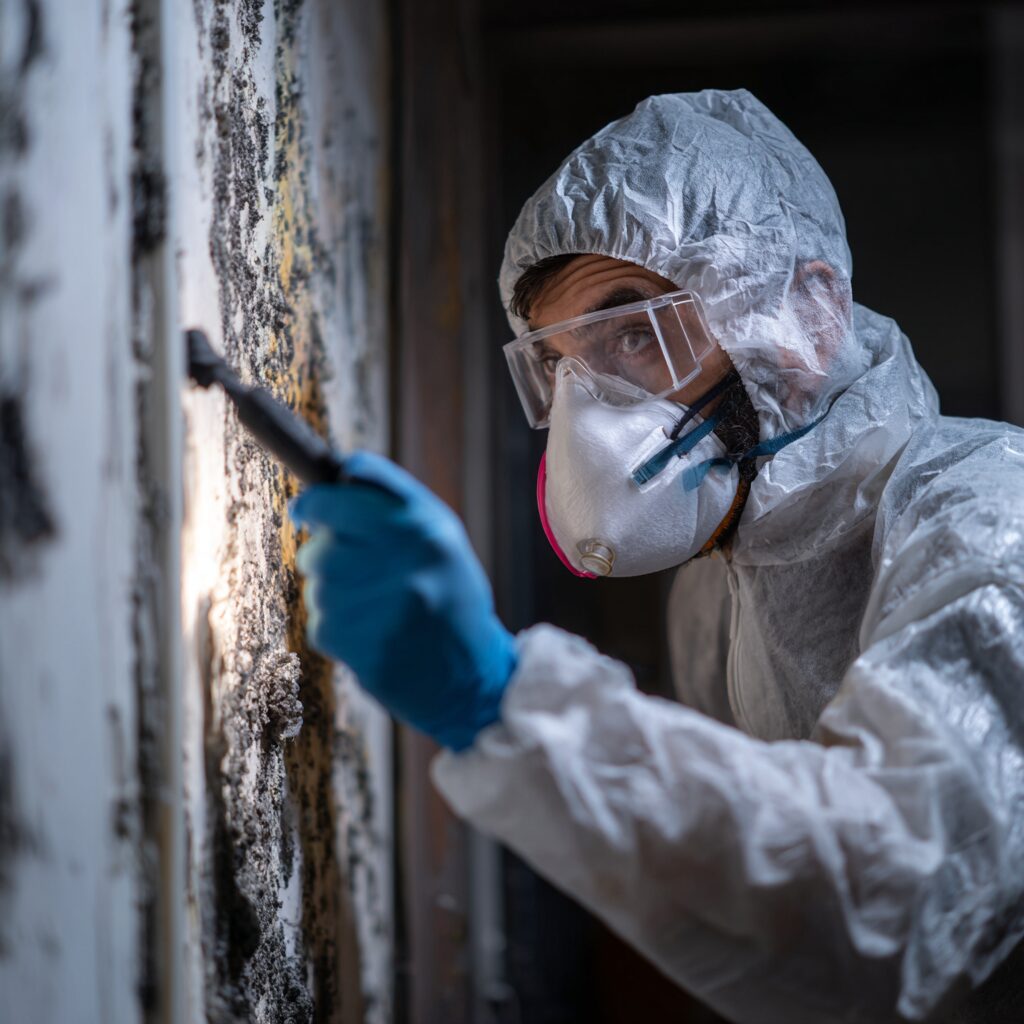
While some homeowners attempt DIY removal, doing so without proper containment can actually worsen the problem by releasing spores into the air. Professional remediation companies use industrial-grade HEPA vacuums, negative air pressure systems, and antimicrobial cleaning agents to safely eliminate mould and prevent cross-contamination.
The Government of Canada recommends hiring professionals for any mould growth larger than one square metre or when the mould is caused by sewage, flood water, or structural leaks.
Signs You Need A Mould Remediation Specialist
You might not always see mould right away — sometimes you’ll smell it before you spot it. If you notice any of the following warning signs, it’s time to call a professional:
Persistent musty odour that doesn’t go away with cleaning
Visible black, green, or grey patches on walls or ceilings
Peeling paint, bubbling drywall, or discolouration
Frequent allergy-like symptoms (sneezing, itchy eyes, coughing)
Previous water damage from leaks, floods, or poor ventilation
Even small signs of mould can point to a much bigger hidden problem behind walls or flooring.
What To Look For In A Mould Remediation Company
When choosing a mould remediation company, it’s not just about price — it’s about qualifications, transparency, and reputation. Here’s what to look for before signing a contract:
Certifications And Training
Look for technicians certified by the Institute of Inspection, Cleaning and Restoration Certification (IICRC) or equivalent Canadian training programs. Certification ensures the company follows international standards for mould removal and structural drying.
Experience And Reputation
A company with years of experience in mould remediation will understand how to deal with hidden contamination and various building materials. Check Google reviews, HomeStars, or Better Business Bureau ratings for reliability.
Proper Equipment
Ask about their tools: HEPA air scrubbers, moisture meters, thermal cameras, and sealed containment systems. Professionals should have advanced drying and filtration equipment on hand.
Insurance And Licensing
Always verify that the company has liability insurance, environmental coverage, and proper provincial licensing. This protects you if anything goes wrong during remediation.
Safety And Compliance
Ensure they follow Health Canada and Canadian Standards Association (CSA) safety guidelines. Proper use of personal protective equipment (PPE), containment barriers, and disposal procedures are must-haves.
Questions To Ask Before Hiring
Before making a final decision, ask your potential contractor these key questions:
Do you conduct pre- and post-remediation air testing?
What containment and filtration systems do you use?
Will you remove contaminated materials, or just clean the surface?
Do you handle the source of moisture or just the mould?
Can I see references or photos of past projects?
Do you offer a written estimate and warranty on your work?
These questions help you identify professionals who value transparency and accountability.
Understanding The Mould Remediation Process
A professional mould remediation process usually includes the following steps:
Inspection & Testing: The company will assess the damage using moisture meters and thermal imaging.
Containment: Plastic barriers and negative air machines prevent mould spores from spreading.
Air Filtration: HEPA filters remove airborne spores and dust particles.
Mould Removal: Contaminated materials (drywall, insulation, carpets) are safely removed.
Disinfection: All affected areas are cleaned and sanitised using antimicrobial agents.
Post-Remediation Testing: Air quality is tested to confirm that mould levels are back to safe limits.
According to Canadian restoration experts, the average cost of mould remediation ranges from $1,500 to $6,000, depending on the affected area and the extent of contamination. Severe cases involving attics, basements, or HVAC systems can exceed $10,000.
Common Mistakes To Avoid When Hiring
Even with good intentions, homeowners can make mistakes when choosing a mould remediation company. Here are the most common ones to avoid:
Choosing the cheapest quote: Low bids often mean corner-cutting or untrained labour.
Hiring a general contractor: Mould remediation requires certified specialists, not painters or renovators.
Skipping air testing: Without testing, you can’t confirm if remediation was successful.
Ignoring the source of moisture: If you don’t fix leaks or humidity problems, mould will return.
The Importance Of Post-Remediation Verification
A reputable company will perform post-remediation verification — also known as clearance testing — to ensure mould levels have returned to normal. This testing should be conducted by a third-party inspector to avoid conflicts of interest.
An air sample test typically costs $200–$400 per sample in Canada, but it’s the only way to confirm your home’s air is safe again. Request a detailed report for your records, especially if insurance claims are involved.
How To Prevent Future Mould Growth
Once remediation is complete, prevention is key to keeping your home mould-free. Follow these steps:
Keep humidity below 50% using dehumidifiers.
Use exhaust fans in bathrooms, kitchens, and laundry rooms.
Repair roof leaks, plumbing issues, and foundation cracks quickly.
Insulate cold surfaces to prevent condensation.
Clean and maintain gutters to direct water away from your home.
Ensure proper grading and drainage around the foundation.
Mould prevention isn’t just about cleanliness — it’s about controlling moisture and airflow in your home year-round.
Conclusion
Hiring the right mould remediation company can mean the difference between a clean, safe home and a recurring nightmare. A certified, experienced, and transparent contractor will not only remove mould but also identify and fix the underlying causes — saving you money and stress in the long run.
When in doubt, always choose professionals who provide detailed estimates, proper documentation, and third-party verification. Your health and your home’s integrity are worth the investment.
If you have any questions about our article, “Mould Remediation Company: How To Hire A Mould Removal Company Near Oshawa” or need a mould remediation company near Oshawa contact us at 1-833-WE-DRY-IT or connect with us on social media.
FAQs
What’s The Difference Between Mould Removal And Mould Remediation?
Mould removal focuses on cleaning visible mould, while remediation addresses both visible and hidden mould sources, including air quality and structural moisture control.
Is Mould Remediation Covered By Home Insurance In Canada?
It depends on the cause. If the mould resulted from a covered peril like a burst pipe, your insurer may pay for remediation. Damage caused by poor maintenance or humidity is usually not covered.
How Long Does The Mould Removal Process Take?
Most residential projects take between 1 and 5 days, depending on size and severity. Larger projects involving basements or attics can take up to a week.
Can I Stay In My Home During Mould Remediation?
If mould is confined to a small area, you can usually stay. For larger jobs involving multiple rooms, it’s safer to vacate temporarily.
What Health Risks Are Associated With Mould Exposure?
Prolonged exposure can cause allergic reactions, asthma flare-ups, eye irritation, and respiratory issues. People with compromised immune systems are most at risk.
How Can I Tell If The Company Is Legitimate?
Ask for proof of certification, liability insurance, and business licensing. Genuine companies will happily provide documentation.
What Type Of Mould Is The Most Dangerous?
Black mould (Stachybotrys chartarum) is the most concerning, but all moulds can cause health problems if left untreated.
How Much Does Mould Testing Cost In Canada?
Expect to pay between $300 and $700 depending on how many samples are needed and whether lab analysis is included.
Can Mould Come Back After Remediation?
Yes, if the source of moisture isn’t fixed. Always repair leaks, improve ventilation, and maintain proper humidity to prevent recurrence.
What Should A Mould Remediation Warranty Include?
Look for a guarantee that covers both workmanship and materials for at least 6 to 12 months after the job.
Related Posts
Fire Damage Restoration Articles
The Dos And Don’ts Of Commercial Fire Damage
Forest Fire House Damage: What To Do After Your House Is Damaged By A Forest Fire And Who to Call?
Fire prevention tips for the summer
How to clean up after a house fire
Fire damage restoration checklist
Fire damage tips: 6 hazards property owners miss
How smoke from fires can negatively affect your health
What are the most common causes of house fires?
10 helpful smoke damage cleaning tips
Mould Removal Restoration Articles
Is Bathroom Mould Dangerous? Powerful Mould Prevention Tips Inside
Dangers Of Bathroom Mould And Tips On How To Clean And Prevent It
Got Bathroom Mould? Here Are Some Must-Know Bathroom Mould Cleaning Tips
5 Signs You Have Mould Growing In Your Walls
“Can I Remove Mould Myself?” Our Mould Removal Experts Have Answers
7 Must-Know Reasons Why You Should Get A Mould Inspection Before Buying A House
Does Mould Attract Bugs? Yes And Here’s What Kind And Why
How To Remove Mould From The Attic [Mould Prevention Tips Inside]
How Rain Causes Mould Growth-Prevention Tips Included
Must-Know Tips: How To Remove Mould In Your Basement
Water Damage Restoration Articles
How to prevent home storm damage
What you can expect from a fire damage restoration company
Water damage prevention tips from the most common problems we’ve seen
Top causes of water damage in commercial buildings and how to find them
Must-know water damage tips: What to do after your house floods
What does good water damage restoration look like?
DIY water damage restoration and the hidden dangers
How to choose the right water damage company
Flast floods: What to do before, during and after a flash flood
What to do when your attic leaks?
This is why water damage is a silent home killer
Related Water Damage Services
Fire damage restoration services
Water damage restoration services
Emergency cleanup services
Mould removal services
Weather damage services