What To Do After A Fire: Top Tips For Recovery, Restoration, And Prevention
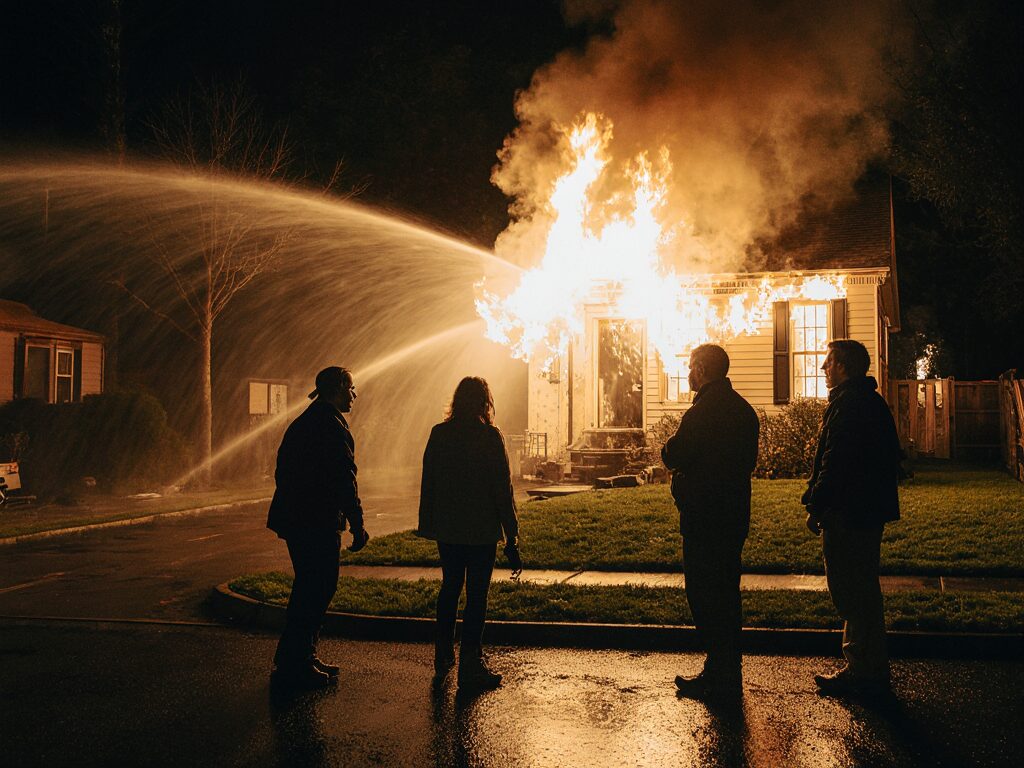
A house fire is one of the most frightening experiences a homeowner can face. Even after the flames are out, the journey to recovery can be overwhelming.
Knowing what to do right after a fire — and how to prevent future disasters — can make all the difference in protecting your home, your health, and your finances. Let’s get right into it!
What Do I Do After The Fire Department Puts Out The Fire?
When the fire trucks leave, the real work of recovery begins. Here’s what you should do immediately:
Ensure Safety First
Do not re-enter your home until the fire department declares it safe. Fires can leave behind hidden hazards such as weak floors, falling debris, and lingering smoke that can harm your health.
Call Family And Friends
Let loved ones know you are safe. This not only prevents panic but ensures you have emotional support during this stressful time.
Contact Your Insurance Company
Call your insurance provider right away. Provide your policy number and details of the fire so they can begin processing your claim. Ask about coverage for temporary housing and living expenses.
Document All Damage
Before anything is cleaned or moved, take detailed photos and videos of every affected area. This documentation is crucial for your insurance claim.
Secure The Property
Fire can leave windows shattered and roofs exposed. Board up windows and cover holes with tarps to prevent weather damage and deter trespassers.
Retrieve Essential Belongings
If it is safe, gather important documents, medications, identification, and other essentials you will need while displaced.
Arrange Temporary Housing
Most home insurance policies cover additional living expenses. Find a hotel, rental, or stay with family and keep all receipts for reimbursement.
Shut Off Utilities If Needed
Contact utility companies to shut off gas, electricity, and water if there is risk of further damage or danger.
Call A Fire Damage Restoration Company
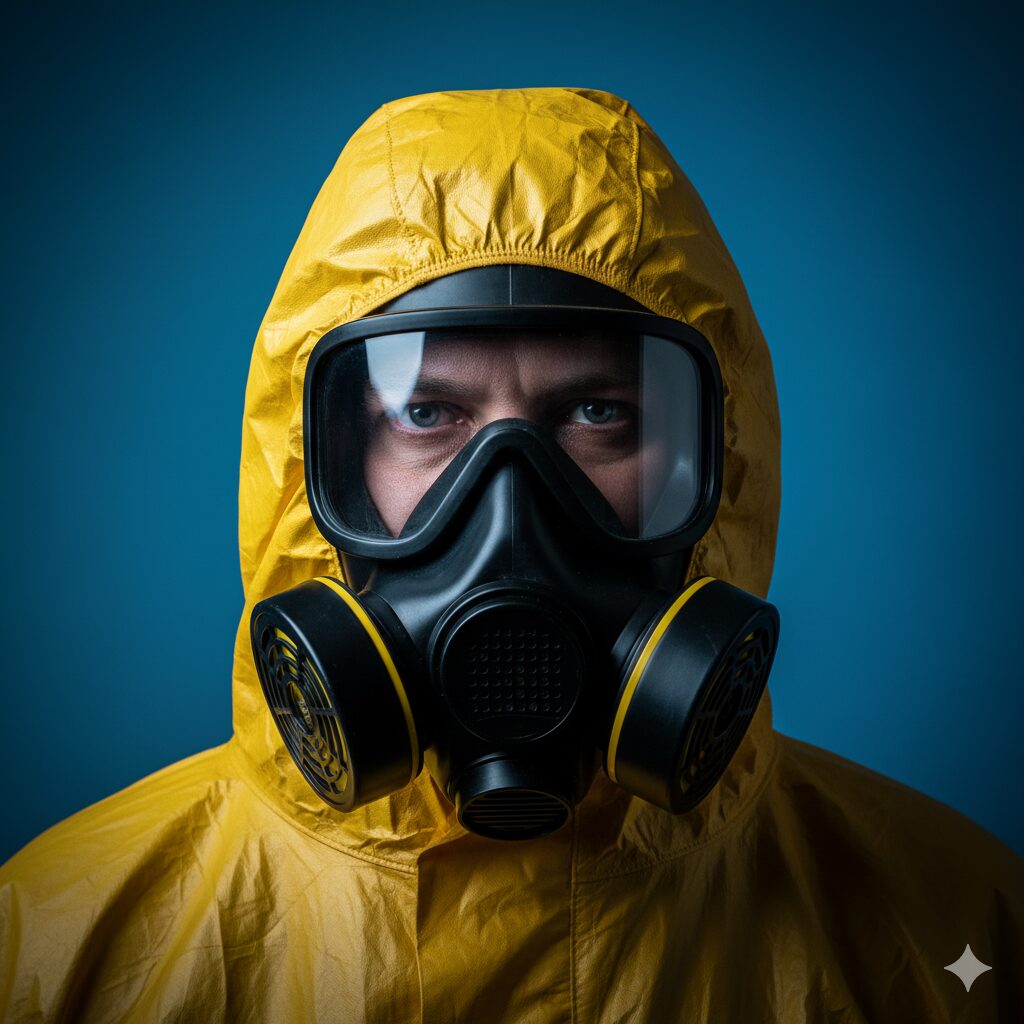
The sooner a fire damage restoration company starts cleaning smoke, soot, and water damage, the better your chances of saving your home and belongings.
Keep All Receipts And Records
Track every expense — meals, lodging, cleaning, repairs — and keep copies of all communication with insurers and contractors.
How To Find The Best Fire Damage Restoration Company
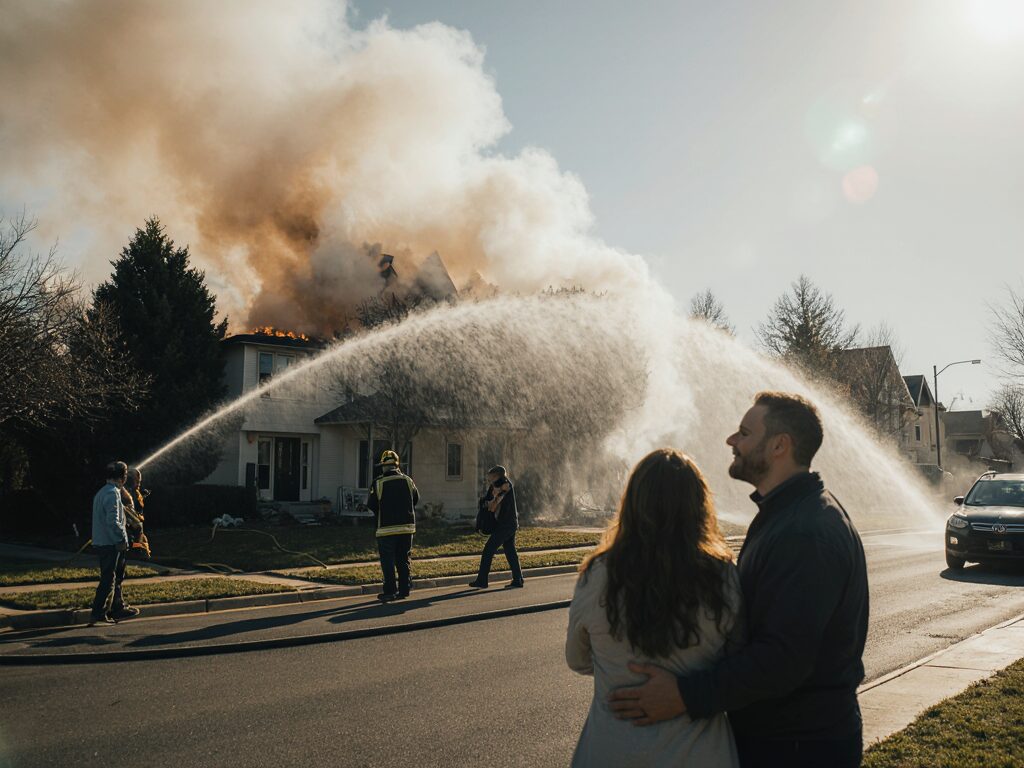
Choosing the right restoration company is one of the most important decisions after a fire. Look for a company that offers 24/7 emergency service, as time is critical.
Check that they are IICRC-certified (Institute of Inspection Cleaning and Restoration Certification), which ensures they follow industry best practices. Read online reviews, ask for referrals, and verify that they have experience with fire, smoke, and water damage restoration.
Ask if they handle insurance claims directly — many reputable companies will work with your adjuster to make the process smoother. Finally, request a written estimate and timeline before work begins so you understand the scope and cost of the project.
Top Benefits Of Acting Fast With Water Damage
Even though the fire is over, water damage from firefighting efforts can continue to cause problems. Acting quickly has major benefits:
-
Prevent Mould Growth: Mould can begin within 24–48 hours and cause serious health issues, especially for children and people with asthma.
-
Save Building Materials: Drywall, hardwood, and insulation can often be salvaged if dried promptly.
-
Lower Restoration Costs: The faster water is removed, the less damage spreads — saving you money in the long run.
-
Protect Your Health: Standing water can harbour bacteria and contaminants.
-
Preserve Belongings: Quick action can save furniture, electronics, and important documents.
Top Tips On How To Prevent Fire In The Future
Preventing another fire is just as important as cleaning up from the first. Here’s how you can reduce your risk:
-
Install smoke alarms on every floor and near sleeping areas.
-
Test smoke alarms monthly and change batteries twice a year.
-
Keep a fire extinguisher in the kitchen, garage, and near potential fire hazards.
-
Avoid overloading outlets and using damaged cords.
-
Clean lint from dryer vents at least once a year.
-
Store flammable liquids like gasoline in approved containers and away from heat.
-
Create and practise a family fire escape plan.
-
Never leave cooking, candles, or space heaters unattended.
Conclusion
Recovering from a house fire can feel overwhelming, but following the right steps can protect your health, your finances, and your future. Acting quickly, finding a qualified fire restoration company, and taking preventive measures can help you get back on your feet faster.
If you have any questions about our article, “What To Do After A Fire: Top Tips For Recovery, Restoration, And Prevention” or need fire damage restoration services, contact us at 1-833-WE-DRY-IT any time 24/7/365 all the time, we’re there when you need us!
FAQs
What Should I Do Immediately After A House Fire?
Ensure everyone is safe, call your insurance provider, document the damage, and contact a professional fire restoration company.
How Soon Should I Call A Restoration Company After A Fire?
Immediately — the faster they can remove smoke, soot, and water, the more damage they can prevent.
Can I Clean Up Smoke Damage Myself?
It is not recommended. Soot and smoke particles can be toxic, and improper cleaning can make the damage worse.
Does Insurance Cover Fire Damage?
Most homeowner policies cover fire damage, but you should confirm details with your insurer and ask about additional living expense coverage.
How Long Does Fire Damage Restoration Take?
It depends on the extent of damage — small fires may take days to clean, while large structural fires can take weeks or months to rebuild.
What Items Can Be Salvaged After A Fire?
Many clothes, furniture, and even electronics can be cleaned professionally, but food and heavily burned items should be discarded.
How Much Does Fire Damage Restoration Cost?
Costs vary widely depending on damage, but can range from a few thousand dollars for minor smoke cleanup to tens of thousands for full rebuilds.
Is Water Damage A Big Problem After A Fire?
Yes, water from firefighting efforts can cause mould and structural damage if not dried quickly.
What Are The Health Risks Of Smoke And Soot?
Smoke contains toxins that can irritate the lungs and worsen asthma or heart conditions. Proper cleanup is critical for air quality.
How Can I Prevent Another Fire?
Install smoke alarms, maintain appliances, avoid electrical overloads, and create a fire escape plan.