

Top Costliest Flood Mistakes Homeowners Make
Floods are one of the most expensive disasters Canadian homeowners face, costing thousands of dollars in repairs, destroying memories, and even forcing families out of their homes. The worst part? Most of the damage could have been avoided with simple preparation.
Let’s get right into it!
Understanding The True Cost Of Flood Damage
The Insurance Bureau of Canada (IBC) reports that the average flooded basement claim costs over $43,000 — and that number keeps rising. Beyond financial losses, floods can cause health problems like mould-related respiratory issues and emotional stress from displacement. A history of flooding can even reduce your home’s resale value and raise your insurance premiums, making prevention an investment, not an expense.
Failing To Check Flood Risk Before Buying A Home
Too many buyers fall in love with a property without researching its flood history. Municipal flood maps and zoning records can reveal if a home is in a high-risk area, but many homeowners skip this step. Real estate disclosure rules vary by province and may not require sellers to disclose previous flooding. Ignoring this can lead to surprise exclusions in your insurance policy and devastating out-of-pocket costs.
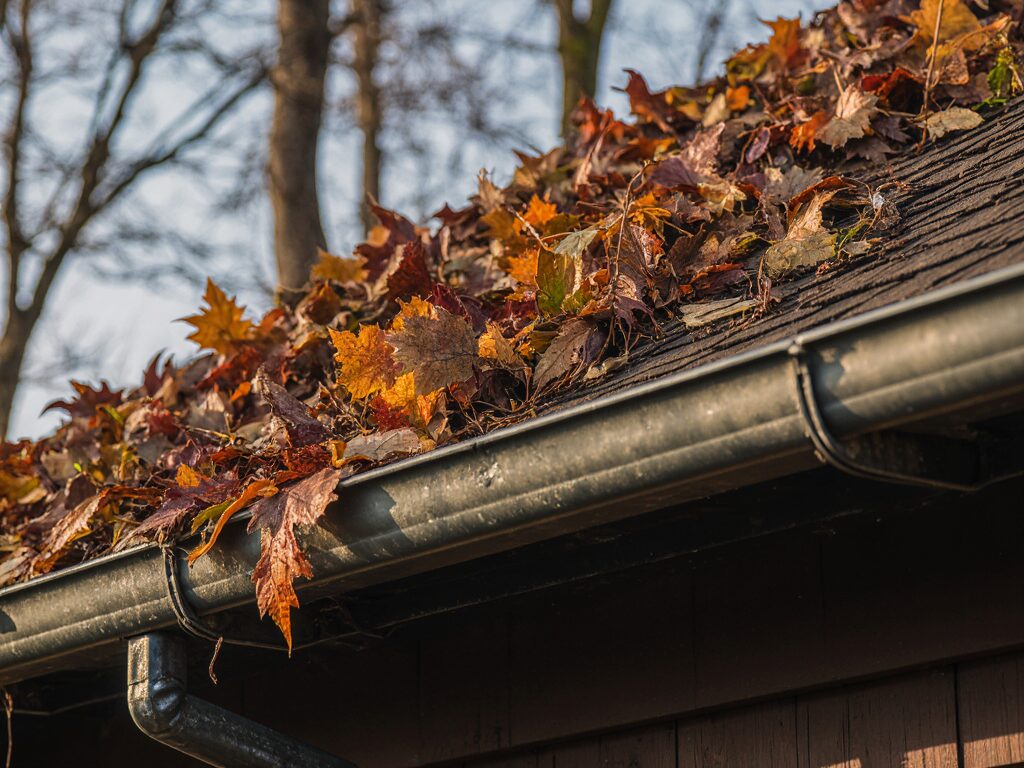
Not Maintaining Eavestroughs, Downspouts, And Drains
Clogged gutters are one of the leading causes of basement flooding. When water can’t flow away from the roof, it pools near the foundation, seeping into the basement. Homeowners should clean eavestroughs twice a year, extend downspouts at least 6 feet from the house, and ensure that exterior drains are clear of debris. These small maintenance tasks cost very little but can prevent thousands of dollars in damage.
Skipping Sump Pump Maintenance Or Installation
A sump pump is your basement’s best defence against rising groundwater. However, many homeowners either don’t have one or neglect to maintain it. A sump pump should be tested every few months, and a battery backup is a must in case of power outages during storms. Consider this: a $300 sump pump could save you from a $30,000 restoration bill.
Ignoring Sewer Backflow Prevention
Heavy rain can overwhelm city sewer systems, forcing wastewater back into homes through floor drains. Installing a backwater valve can prevent this, and many municipalities offer rebates for installation. The difference between a clean water flood and a sewage backup is massive — cleanup costs and health risks skyrocket with contaminated water.
Relying On Standard Home Insurance Alone
A common misconception is that home insurance automatically covers all types of water damage. In reality, overland flooding, sewer backup, and groundwater seepage often require separate riders or endorsements. Review your policy carefully with your broker to ensure you’re fully protected before disaster strikes.
Delaying Water Damage Cleanup
Time is critical when water enters your home. Mould can start growing within 24–48 hours, and untreated moisture can weaken structural materials. While DIY cleanup might seem cheaper, it often leads to hidden damage and recurring problems. Professional water damage restoration ensures proper drying, sanitization, and documentation for insurance claims.
Improperly Storing Valuables And Electronics
Basements are common storage spaces, but keeping cardboard boxes, documents, and electronics on the floor is a recipe for disaster. Store items on shelving units and use waterproof containers. Many families have lost irreplaceable photo albums, heirlooms, and important paperwork simply because they were stored in the wrong place.
Not Having An Emergency Flood Plan
Every household should know how to respond to a flood. This includes knowing how to shut off electricity and water, having a go-bag with essentials, and having an evacuation plan. Being prepared can save lives and reduce damage when every minute counts.
Neglecting Seasonal Inspections
Canadian weather is unpredictable, and seasonal maintenance is critical. Inspect grading around your home to ensure water flows away from the foundation, seal cracks, and check that sump pumps and backwater valves are working before heavy rain or spring melt.
Conclusion
Avoiding these costly flood mistakes is the best way to protect your home, your health, and your wallet. Regular maintenance, proper insurance coverage, and quick action after water damage can save you tens of thousands of dollars.
If you have any questions about our article, “Top Costliest Flood Mistakes Homeowners Make” or need water damage restoration services, call 1-833-WE-DRY-IT we’re there when you need us!
FAQs
What Is The Average Cost Of A Flooded Basement In Canada?
According to the Insurance Bureau of Canada, the average flooded basement claim is over $43,000, but costs can be much higher for severe damage.
Does Home Insurance Cover Floods?
Standard policies typically exclude overland flooding. You need to add specific coverage for floods, sewer backups, and groundwater seepage.
How Quickly Should I Dry Out My Basement After A Flood?
Mould can begin growing within 24–48 hours, so it’s important to start the drying process immediately.
Do I Need A Sump Pump If My Basement Never Floods?
Yes, it’s a good precaution. Changing weather patterns mean homes that never flooded before are now at risk.
What Is A Backwater Valve And Do I Need One?
A backwater valve prevents sewage from backing up into your home. It’s highly recommended if you have a basement or are in a flood-prone area.
How Can I Check If My Home Is In A Flood Zone?
You can consult municipal flood maps, ask your insurance broker, or check with local conservation authorities.
Are DIY Water Damage Cleanups Safe?
Not always. Without proper equipment, you can leave behind moisture that causes mould growth and structural issues.
Can Flooding Lower My Home Value?
Yes, repeated flooding can significantly reduce property value and make it harder to sell.
What Should I Store In My Emergency Flood Kit?
Include flashlights, batteries, bottled water, non-perishable food, important documents, and a phone charger.
How Often Should I Inspect My Gutters And Sump Pump?
At least twice a year, ideally in spring and fall, and before any major storm is forecasted.