
Best Practices To Prevent Leaks From Home Appliances
By: 911 Water Damage Experts
Leaks from home appliances can lead to costly water damage, electrical hazards, and mould growth.
Appliances such as dishwashers, refrigerators, and washing machines are some of the most common sources of hidden leaks in Canadian households. Without regular attention, even small drips can escalate into serious structural damage.
Let’s get right into it!
Understanding Which Appliances Pose The Greatest Risk
Washing Machines And Supply Hoses
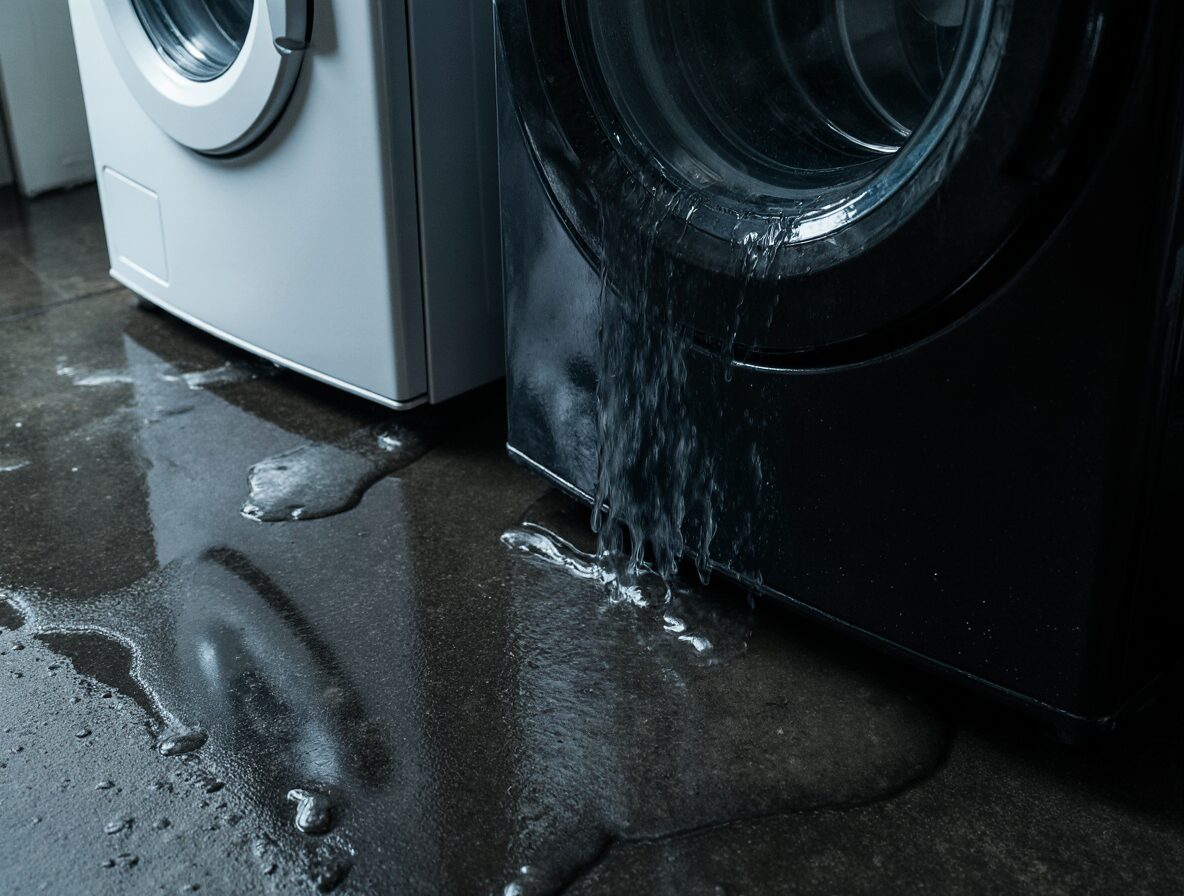
Washing machines often operate with high-pressure water lines. Rubber supply hoses can degrade over time, especially if exposed to temperature fluctuations or improper installation. When these hoses fail, they can release a significant amount of water in a very short period.
Dishwashers And Door Seals
Dishwasher leaks typically occur around the door gasket or underneath the unit. A deteriorating rubber seal allows water to escape during the wash cycle. Internal clogs or overfilled detergent dispensers can also cause overflow issues.
Refrigerators With Ice-Makers Or Water Dispensers
Appliances connected to the home’s plumbing, such as refrigerators with ice-makers, are frequent culprits of slow leaks. Over time, supply lines can crack or disconnect. Leaks often go unnoticed until damage appears on walls or flooring behind the appliance.
Hot-Water Heaters And Boilers
Hot-water tanks under pressure can leak at valves, seams, or corroded fittings. Boiler systems, though sealed, may develop slow drips from relief valves or pipe joints, especially during extreme seasonal temperature shifts common in Canadian climates.
Routine Inspection And Maintenance Timelines
Monthly Visual Checks For Hoses And Connections
A quick monthly scan of visible connections and appliance bases can catch early warning signs. Look for moisture, corrosion, or worn components. Many leaks start small and are easy to fix if caught early.
Annual Professional Servicing Recommendations
Schedule an annual appliance check-up, especially for water heaters, dishwashers, and laundry units. Licensed technicians can identify wear-and-tear that homeowners often overlook.
Cleaning Lint, Debris, And Mineral Build-Up
Clogged components can force water where it does not belong. Clean lint traps in washing machines and inspect dishwasher filters for food residue. Mineral build-up in hard water regions can also cause blockages.
Replacing Parts Before The End Of Their Life Cycle
Even if a component appears intact, replacing it before failure can prevent a major leak. Most manufacturers provide guidelines for part lifespan in their manuals or online resources.
Installing Preventative Devices And Upgrades
Stainless-Steel Braided Hoses Versus Rubber
Upgrading to braided stainless-steel hoses greatly reduces the risk of rupture. These hoses resist heat, pressure, and physical wear better than older rubber versions.
Leak Detection Sensors With Automatic Shut-Off
Smart leak detectors placed under appliances can alert you to leaks early. Some models include shut-off valves that cut water flow when moisture is detected, preventing widespread damage.
Drip Pans And Floor Drains In Utility Areas
Installing drip pans under washing machines or water heaters can contain small leaks. When connected to a floor drain, these pans help direct water away from structural materials.
Surge Protectors To Prevent Electronic Failure
A sudden power surge can damage appliance controls and pumps, potentially causing water malfunctions. Using certified surge protectors adds a layer of safety for modern units with digital interfaces.
Responding Quickly To Early Warning Signs
Noticing Standing Water Or Damp Cabinetry
Small puddles or moisture near the base of appliances should never be ignored. They often indicate internal leaks or poor drainage.
Monitoring Sudden Increases In Water Bills
A spike in water usage without explanation may point to a hidden leak. Reviewing your utility statements regularly can help you detect anomalies.
Addressing Unusual Noises Or Odours Immediately
Buzzing, gurgling, or musty smells often accompany hidden leaks. These signs usually suggest water is reaching areas it should not and needs to be investigated.
Documenting Appliance Models For Quick Part Orders
Keep a list of appliance model numbers and key component types. This saves time during emergencies when quick replacement is critical.
FAQ
1. How Often Should I Change Washing Machine Hoses?
It is recommended to replace hoses every few years or at the first sign of wear. Even if they look fine, internal wear can cause sudden failure.
2. Are Braided Hoses Worth The Extra Cost?
Yes, they offer much stronger resistance to bursting and temperature changes, making them a reliable long-term investment.
3. What Smart Home Devices Can Detect Leaks?
Several leak detectors connect to home Wi-Fi networks and send alerts to your phone. Some models also shut off the water supply automatically.
4. Does Hard Water Increase Leak Risk?
Yes, mineral deposits can accumulate inside valves and lines, restricting flow and causing leaks or back-ups over time.
5. Can I Install A Leak Sensor Without Professional Help?
Most leak sensors are plug-and-play, requiring no tools. Just place them in areas prone to leaks and follow the setup instructions.
6. Why Do Refrigerator Water Lines Crack?
Plastic lines can become brittle over time, especially in colder areas behind the fridge. Movement or installation pressure can also weaken the material.
7. Should I Shut Off Water When Travelling?
Yes. Shutting off your home’s water supply when you are away for an extended period can prevent disaster if a hose or connection fails.
8. How Do I Test A Drain Pan?
Pour a small amount of water into the pan and check that it flows properly to the drain. If it pools or spills over, the pan may be cracked or misaligned.
9. What Insurance Coverage Applies To Appliance Leaks?
Standard homeowner insurance usually covers sudden and accidental leaks. However, damage from neglected maintenance might be excluded.
10. When Is It Time To Replace An Appliance Entirely?
Frequent repairs, recurring leaks, or the appliance approaching the end of its expected lifespan are strong indicators it is time for a replacement.
Conclusion
Appliance leaks are more than an inconvenience—they can cause significant damage and disrupt daily life. Following regular maintenance schedules, upgrading to more reliable components, and installing leak detection tools are proactive steps every Canadian homeowner should take. With proper attention, most appliance-related leaks are entirely preventable.
If you have any questions about water damage and water damage restoration feel free to call us at 1-833-WE-DRY-IT or chat with us in near real-time on our Facebook fan page.
Related Posts
Water Damage Restoration Articles
What you can expect from a fire damage restoration company
Water damage prevention tips from the most common problems we’ve seen
Top causes of water damage in commercial buildings and how to find them
Must-know water damage tips: What to do after your house floods
What does good water damage restoration look like?
DIY water damage restoration and the hidden dangers
How to choose the right water damage company
Flast floods: What to do before, during and after a flash flood
What to do when your attic leaks?
Mould Removal Restoration Articles
5 Signs You Have Mould Growing In Your Walls
“Can I Remove Mould Myself?” Our Mould Removal Experts Have Answers
7 Must-Know Reasons Why You Should Get A Mould Inspection Before Buying A House
Does Mould Attract Bugs? Yes And Here’s What Kind And Why
How To Remove Mould From The Attic [Mould Prevention Tips Inside]
How Rain Causes Mould Growth-Prevention Tips Included
Must-Know Tips: How To Remove Mould In Your Basement
Fire Damage Restoration Articles
How to clean up after a house fire
Fire damage restoration checklist
Fire damage tips: 6 hazards property owners miss
How smoke from fires can negatively affect your health
What are the most common causes of house fires?
10 helpful smoke damage cleaning tips
Related Water Damage Services
Fire damage restoration services
Water damage restoration services
Emergency cleanup services
Mould removal services
Weather damage services