

Emergency Sewer Backup Services: Who To Call And What To Do Right Away
A sewer backup is one of the most stressful and hazardous emergencies a homeowner can face.
It can damage your property, threaten your health, and disrupt your life in an instant. When raw sewage starts seeping into your basement or backing up through your drains, knowing who to call and what to do can make all the difference.
Let’s get right into it.
Common Causes Of Sewer Backups
Understanding what causes a sewer backup can help you prevent it in the future. Some of the most common culprits include:
-Blocked or clogged pipes caused by grease buildup, non-flushable wipes, or debris
-Tree roots invading underground sewer lines
-Cracked, broken, or collapsed sewer pipes
-Heavy rainfall or sudden storm surges that overwhelm municipal systems
-City sewer backups that flow back into private homes
Signs You’re Dealing With A Sewer Backup
Watch for these red flags that signal a sewer backup is happening or about to happen:
-Water backing up from floor drains, toilets, or bathtubs
We -A strong, foul odour coming from drains or the basement
-Gurgling or bubbling sounds in your pipes
-Multiple plumbing fixtures draining slowly or not at all
-Puddles or wet patches forming in your yard without reason
Immediate Steps To Take Before Help Arrives
If you suspect a sewer backup, don’t wait. Here are the first things to do:
-Shut off your main water supply to prevent further damage
-Stop using all plumbing fixtures including toilets, sinks, and washing machines
-Keep children and pets away from contaminated areas
-If flooding reaches electrical outlets, turn off the power to affected areas
-Take photos and videos of the damage for your insurance company
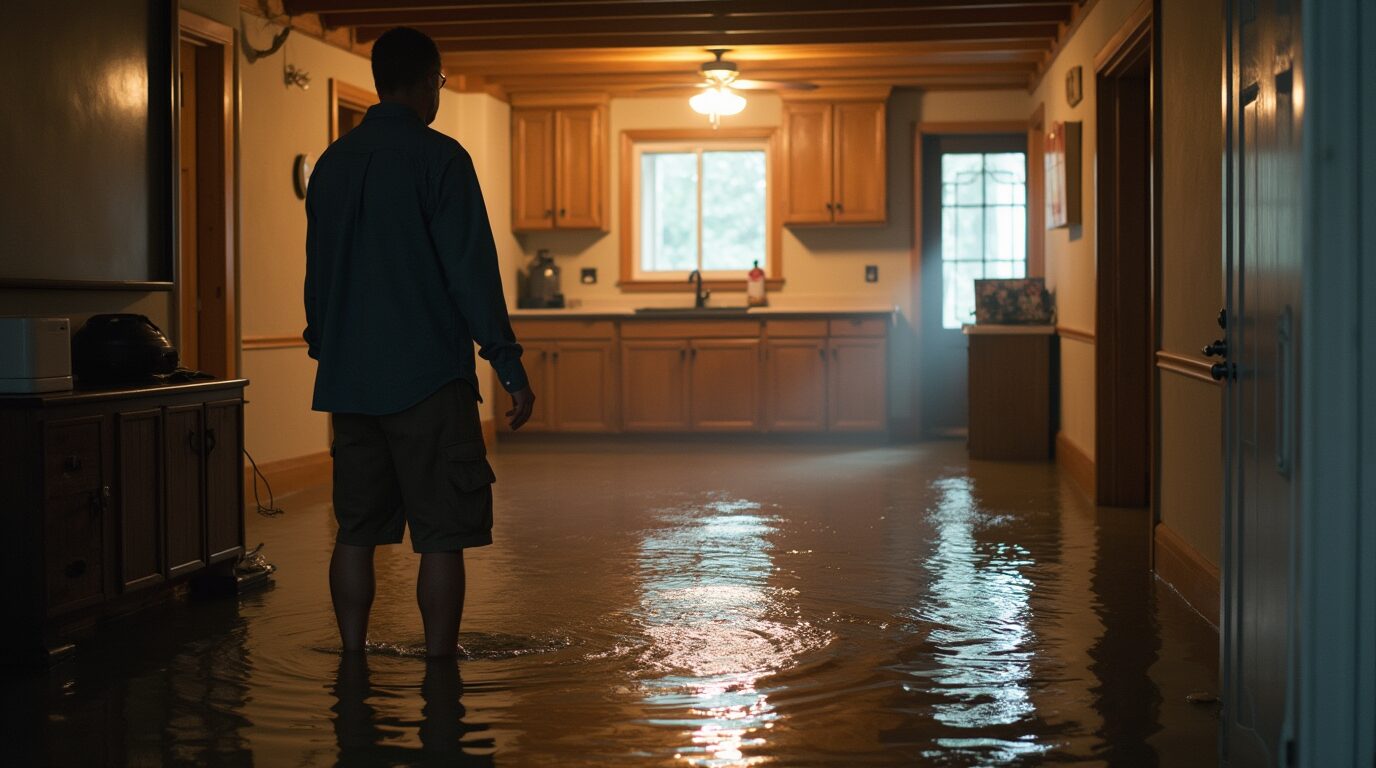
Who To Call First During A Sewer Backup Emergency
Time is of the essence. Make these calls immediately:
-An emergency plumber or sewer backup specialist: Look for a company that offers 24/7 service and has experience with residential sewage cleanups
-Your municipality: If the problem appears to be in the main sewer line or outside your property, report it to the city’s public works or wastewater department
-Your insurance provider: Notify your insurer as soon as possible and find out what documentation you need to start a claim
What To Expect From A Professional Sewer Backup Service
Once the water damage restoration professionals arrive, you can expect the following:
-A thorough inspection to assess the severity of the backup
-Use of advanced tools like sewer cameras and hydro-jetting systems
-Removal of wastewater and solid waste
-Complete sanitization and drying of the affected area
-Repair or replacement of damaged pipes and drains
-Recommendations for future prevention
Questions To Ask Before Hiring A Sewer Backup Service
Choosing the right company is critical. Ask the following questions:
-Do you offer emergency 24/7 services?
-Are your technicians licensed and insured?
-Do you provide a written estimate before work begins?
-What kind of equipment do you use for inspection and cleaning?
-Can you assist with my insurance claim?
-Do you offer preventive maintenance plans?
Cost Of Emergency Sewer Backup Services In Canada
Costs vary based on the extent of damage, time of day, and region. On average:
-Minor backups may cost $300 to $700
-Major backups with full cleanup can range from $1,000 to $5,000+
-Pipe replacements or long-term damage repairs can reach $10,000+
Additional fees may apply for after-hours service, extensive cleanup, or severe structural damage.
Preventing Future Sewer Backups
Here are the top 10 ways to avoid another sewer nightmare:
1.Never flush wipes, diapers, or feminine products
2.Avoid pouring grease or oil down the drain
3.Install a backwater valve to block municipal sewer backups
4.Get regular inspections with sewer cameras
5.Use drain screens to catch debris
6.Remove or manage trees near your sewer line
7.Upgrade old clay or cast-iron pipes to modern PVC
8.Direct downspouts away from the foundation
9.Use enzymatic drain cleaners monthly
10.Consider installing a sump pump with a backup battery
Why Speed Matters: Health And Property Risks
Raw sewage carries harmful bacteria, viruses, and parasites. Exposure can lead to gastrointestinal illnesses, respiratory infections, and skin conditions.
The longer sewage sits, the worse the damage becomes—leading to mould growth, structural rot, and thousands of dollars in repairs. Fast action protects your health, your home, and your wallet.
Conclusion
Sewer backups are emergencies you can’t afford to ignore. Knowing who to call, what to ask, and how to act quickly can turn a disaster into a manageable situation. Keep the number of a trusted 24/7 sewer backup specialist on hand, and follow the prevention tips above to protect your property long-term.
FAQs
What should I do immediately after a sewer backup?
Shut off the water, stop using plumbing fixtures, and call an emergency plumber. Document everything for your insurer.
Who is responsible for a sewer backup—me or the city?
If the problem is in your private line, it’s your responsibility. If it’s in the municipal system, the city may be liable.
Is sewer backup covered by home insurance in Canada?
Yes, if you have sewer backup coverage added to your policy. Check with your insurer.
How much does emergency sewer backup service cost?
It ranges from $300 to over $10,000 depending on severity, time of day, and required repairs.
Can I clean up a sewer backup myself?
It’s not recommended due to health risks. Professional sanitization ensures safety and compliance.
What’s the difference between a clog and a backup?
A clog is localized (one sink), while a backup affects multiple drains and often involves the main sewer line.
How long does it take to fix a sewer backup?
Minor cleanups can take a few hours; major ones may require 1–3 days including repairs.
Do I need to leave my home during cleanup?
Not always, but you may be advised to leave if the damage is severe or involves contaminated air.
What kind of companies fix sewer backups?
Emergency plumbers, water damage restoration companies, and sewer specialists.
How can I prevent another sewer backup from happening?
Follow the top 10 prevention tips listed in this article and schedule regular plumbing inspections.